

Intermittent fasting has taken Germany and Poland by storm.
Whether it's 16:8, 5:2, or extended fasts, millions of people now structure eating around deliberate windows. The benefits are compelling: improved insulin sensitivity, cellular cleanup through autophagy, and simplified eating decisions.
But fasting creates a hydration challenge that most practitioners overlook.
When you're not eating, you're not getting the water and electrolytes that food normally provides. At the same time, fasting accelerates electrolyte depletion through several mechanisms. The result: many fasters feel terrible when they should feel great.
In this guide, you'll learn why electrolytes matter more during fasting, which minerals you need most, and how to stay balanced without breaking your fast.
Why Fasting Depletes Electrolytes Faster
Several mechanisms accelerate electrolyte loss during fasted states.
Reduced Insulin Means Sodium Loss
Insulin doesn't just regulate blood sugar—it tells your kidneys to retain sodium. When you eat, insulin rises, and sodium stays in your body.
During fasting, insulin drops. Your kidneys respond by excreting more sodium. This is especially pronounced in the first few days of fasting or when following low-carb approaches alongside intermittent fasting.
The sodium loss is significant. Some estimates suggest fasting individuals excrete 3-4 times more sodium than when eating normally.
No Food-Based Electrolytes
A substantial portion of daily electrolyte intake comes from food. Fruits and vegetables provide potassium. Dairy provides calcium. Nuts and leafy greens provide magnesium.
During your fasting window, none of this is available. If your eating window is compressed, you may not fully compensate even when you do eat.
No Food-Based Water
Food provides roughly 20-30% of daily water intake for most people. Fruits, vegetables, soups, and other water-rich foods contribute meaningful hydration.
Fasting eliminates this source. Unless you consciously increase fluid intake, you're starting each day with a built-in deficit.
Common Symptoms of Electrolyte Depletion During Fasting
Many unpleasant fasting experiences trace back to electrolyte imbalance rather than hunger.
Headaches are the most common complaint. They typically appear in the first few days of a fasting practice and often indicate sodium deficiency.
Fatigue and low energy seem paradoxical—shouldn't fasting increase energy once fat adaptation occurs? Often, lingering fatigue reflects mineral depletion rather than caloric deficit.
Muscle cramps signal magnesium or potassium insufficiency. Leg cramps at night are particularly common among fasters.
Dizziness or lightheadedness often indicates low sodium affecting blood pressure regulation.
Brain fog and difficulty concentrating can result from multiple electrolyte deficiencies affecting neural function.
If you experience these symptoms while fasting, electrolyte supplementation often provides rapid relief.
Which Electrolytes Matter Most During Fasting
All six essential electrolytes play roles, but three deserve special attention.
Sodium: The Priority
Sodium is the electrolyte most aggressively depleted during fasting. It's also the one most likely to cause acute symptoms when deficient.
The combination of reduced insulin, no food intake, and continued kidney excretion creates a significant sodium drain. Most fasters need supplemental sodium to feel good.
Don't fear sodium during fasting. The concerns about sodium intake apply primarily to people eating highly processed diets with excessive sodium. During fasting, you're likely under-consuming rather than over-consuming.
Magnesium: The Support
Magnesium supports hundreds of enzymatic reactions including those involved in energy production and autophagy. Deficiency is common even without fasting—up to 70% of Europeans don't get enough.
During fasting, magnesium supports:
- Energy production from fat
- Nervous system regulation
- Muscle function
- Sleep quality
- Stress response
Supplementing magnesium during fasts helps maintain these functions when food-based sources aren't available.
Potassium: The Balance
Potassium works closely with sodium to regulate fluid balance and cellular function. When sodium is depleted, potassium balance is affected as well.
Adequate potassium supports:
- Heart rhythm
- Muscle contraction
- Nerve signaling
- Blood pressure regulation
Do Electrolytes Break a Fast?
This is the crucial question. The short answer: no.
Electrolyte supplements without calories, sugar, or protein do not break a fast. They don't trigger insulin release. They don't interrupt autophagy. They don't provide energy that would shift your body out of a fasted state.
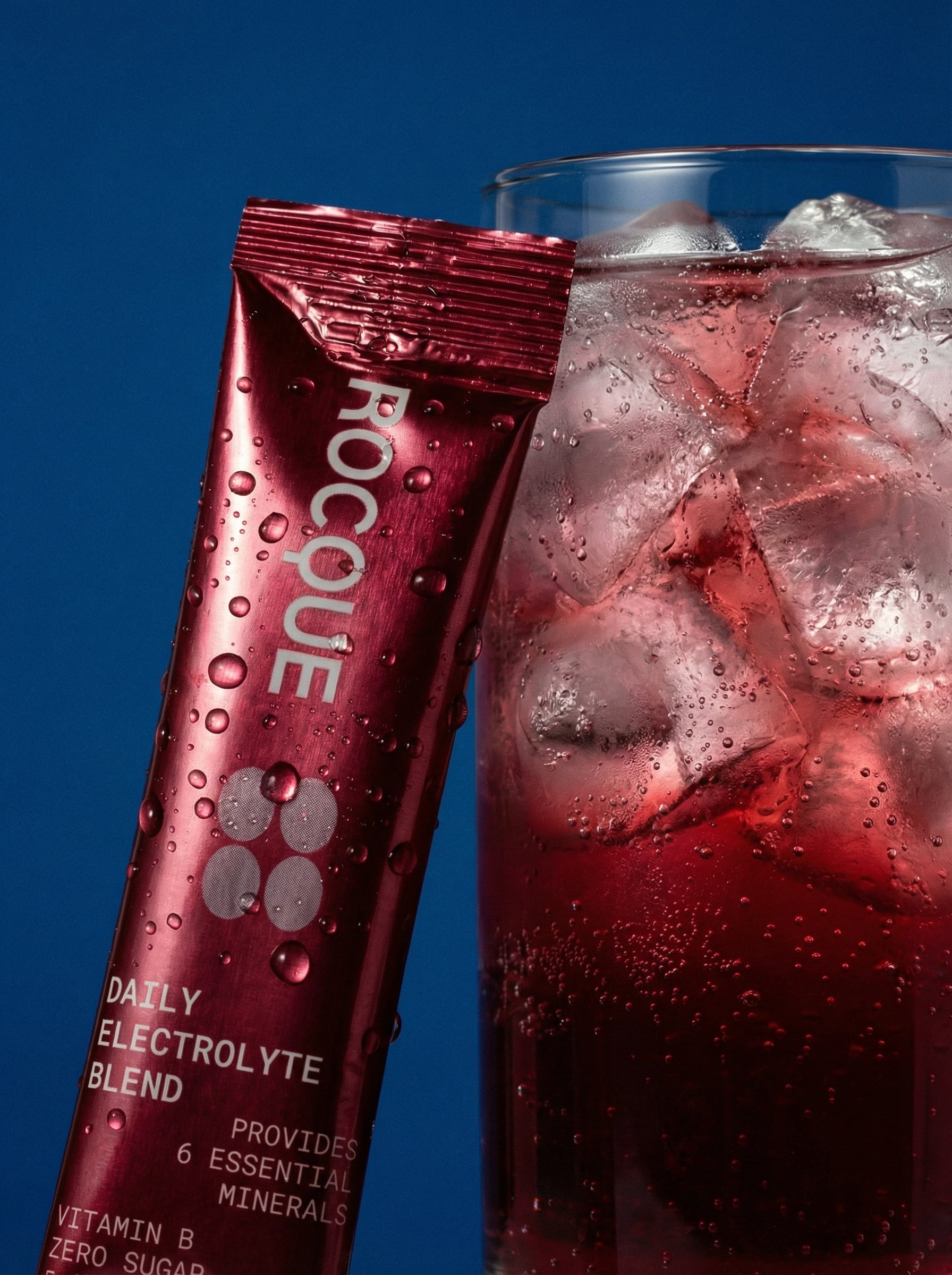
Zero-calorie electrolyte products are specifically compatible with fasting. You get the minerals you need without compromising the metabolic state you're trying to maintain.
What does break a fast:
- Calories from sugar, protein, or fat
- Significant protein intake
- Some artificial sweeteners (evidence is mixed)
What doesn't break a fast:
- Water
- Electrolytes without calories or sugar
- Plain coffee or tea
- Stevia in small amounts
Products sweetened with stevia and containing zero sugar are designed for exactly this use case—supporting fasting without breaking it.
Practical Fasting Hydration Strategies
During Your Fasting Window
Start your day with electrolytes. Before coffee, before anything else, have 500ml of water with electrolytes. You've been fasting all night, and starting with minerals sets the right foundation.
Sip consistently. Don't go hours without drinking. Keep electrolyte water accessible and drink regularly throughout your fasting window.
Add a second serving during longer fasts. If you're fasting 18+ hours, consider a second electrolyte serving midway through. The longer you fast, the more depletion accumulates.
Watch for symptoms. If headaches, fatigue, or cramps appear, increase electrolyte intake. Your body is signaling a need.
Coffee and Tea Considerations
Many fasters rely on coffee and tea to suppress appetite and provide energy. This is generally fine, but note that caffeine has mild diuretic effects.
If you're drinking multiple cups of coffee, you're increasing fluid loss. Compensate with additional water and electrolytes.
Black coffee and plain tea are fast-compatible. Adding cream, milk, or sugar breaks your fast.
During Your Eating Window
Don't assume eating automatically solves electrolyte needs.
Front-load your eating window with electrolyte-rich foods. Leafy greens, avocados, nuts, and properly salted food help rebuild stores.
Continue hydrating. Your eating window isn't a break from hydration attention. Keep water intake steady.
Don't fear salt. Add salt to food generously. During fasting protocols, you're likely not getting enough sodium even with salted meals.
Common Fasting Protocols and Electrolyte Recommendations
16:8 (Daily Time-Restricted Eating)
The most popular protocol: 16 hours fasting, 8-hour eating window.
Electrolyte approach: One serving upon waking, during your fasting window. This covers the overnight depletion and supports the remaining fasting hours. Eat mineral-rich foods during your eating window.
5:2 (Modified Fasting)
Five normal eating days, two very-low-calorie days (500-600 calories).
Electrolyte approach: On fasting days, one serving in the morning, potentially a second in the afternoon if eating is pushed to evening.
20:4 or OMAD (One Meal a Day)
Extended daily fasts with a 4-hour or single-meal eating window.
Electrolyte approach: Two servings during the fasting window—one upon waking, one mid-afternoon. The compressed eating window makes food-based electrolyte intake more challenging, so supplementation is more important.
Extended Fasts (24-72+ Hours)
Multi-day fasts for specific therapeutic or spiritual purposes.
Electrolyte approach: Two to three servings daily, spread throughout waking hours. Monitor symptoms carefully. Extended fasting should ideally be supervised by healthcare providers familiar with fasting protocols.
Fasting Success Through Mineral Balance
Many people abandon fasting because they feel terrible. They assume the protocol doesn't suit them.
Often, the problem isn't fasting itself—it's electrolyte depletion. The same person who struggled through headaches and fatigue might thrive with proper mineral supplementation.
Electrolytes are the difference between fasting that depletes you and fasting that restores you.
If you're practicing intermittent fasting in Germany, Poland, or anywhere else, don't overlook this crucial element. Your fasting experience depends not just on when you eat, but on what you drink.
Zero sugar. Zero calories. Zero fast-breaking.
Just the minerals your body needs to thrive in a fasted state.
References
Rondanelli, M., et al. (2021). Electrolyte supplements and fasting: a review of mechanisms and practical applications. Nutrients, 13(4), 1130.