
Spring is arriving across Central Europe.
The days are getting longer. Temperatures are climbing. And after months of indoor routines, people are heading outside again. Parks fill with joggers. Cycling paths get busy. Hiking trails reopen.
This seasonal shift brings a hydration challenge most people miss.
Your body's water needs change as the weather warms. The hydration habits that worked all winter may leave you depleted come spring. If you don't adjust, you'll feel the difference—in your energy, your workouts, and your recovery.
Here's how to reset your hydration for spring.
Why Spring Changes Everything
Winter and spring demand different things from your body.
Temperature Affects Sweating
During cold months, you sweat less during daily activities. Indoor heating dries you out, but you're not losing large volumes through perspiration.
As temperatures rise, that changes. A 15°C spring day might not feel hot, but your body responds differently than it did at 5°C. You sweat more. Your cooling systems activate earlier. Water loss accelerates without the obvious signals of summer heat.
This transition period catches people off guard. They're not yet thinking about heat, but their bodies are already responding to it.
Outdoor Activity Increases
Winter often means gym workouts, indoor cycling, or reduced activity altogether. Spring brings a surge of outdoor movement.
Running outside. Cycling longer distances. Hiking. Weekend football. Gardening. All of this increases water and electrolyte demands beyond what your winter routine required.
The enthusiasm of spring fitness often outpaces hydration habits. People push harder while drinking the same amounts they did when sedentary.
Allergy Season Compounds the Issue
Spring allergies affect millions across Germany and Poland. Antihistamines—the standard treatment—have mild dehydrating effects. Mouth breathing from congestion increases respiratory water loss.
If you suffer from seasonal allergies, your hydration needs increase even before considering activity levels.
Signs Your Hydration Needs Resetting
How do you know if winter habits aren't serving spring demands?
Fatigue during activities that used to feel easy. If your first outdoor runs feel harder than expected, dehydration may be contributing.
Headaches in the afternoon. The classic dehydration headache often appears as increased activity meets insufficient fluid intake.
Darker urine than usual. If you're noticing concentrated urine, your body is conserving water—a sign you're not drinking enough.
Muscle cramps or tightness. Electrolyte depletion from increased sweating shows up as cramping, particularly in legs.
Slower recovery between workouts. Inadequate rehydration after exercise extends soreness and fatigue.
The Spring Hydration Reset
Adjusting for spring doesn't require complicated calculations. A few simple changes make a significant difference.
Increase Your Baseline
Whatever you were drinking through winter, add 500ml-1 liter daily as your spring baseline.
This accounts for increased insensible losses as temperatures rise, even on days you're not exercising. Your body needs more water simply because the environment has changed.
Start Earlier in the Day
Spring's longer daylight hours often mean earlier morning activities. Pre-dawn runs. Before-work cycling. Weekend hikes starting at sunrise.
If you're active earlier, hydration must start earlier too. Have electrolyte water immediately upon waking—before coffee, before your workout. Being well-hydrated before you start is easier than catching up once depleted.
Adjust for Outdoor Workouts
Indoor gym sessions have controlled temperatures. Outdoor spring workouts don't.
The same 5km run that barely made you sweat in February will leave you noticeably damp in April. Plan hydration accordingly:
- Drink 500ml with electrolytes 2-4 hours before outdoor activity
- Carry water for anything over 45 minutes
- Rehydrate immediately after with electrolytes
Account for Variability
Spring weather is unpredictable. One day might be 10°C and rainy; the next, 20°C and sunny.
Rather than setting fixed hydration amounts, adjust based on conditions. Warmer and sunnier means more water. More intense activity means more electrolytes. Build flexibility into your routine.
Don't Forget Indoor-to-Outdoor Transitions
Spring often involves moving between heated indoors and warming outdoors—both environments that stress hydration.
Office workers face double exposure: dry heated air during work, then increased sweating during after-work exercise. Account for both by maintaining consistent fluid intake throughout the day.
Preparing for Spring Events
Spring brings Central Europe's first major running events.
The Warsaw Half Marathon and Berlin Half Marathon kick off the race season. Hamburg Marathon follows in April. These events draw thousands of runners who've been training through winter.
If you're training for any spring race, your hydration preparation should start now.
Training Hydration
Practice your race-day hydration strategy during training runs. Test how much you can comfortably drink while running. Find what works for your stomach.
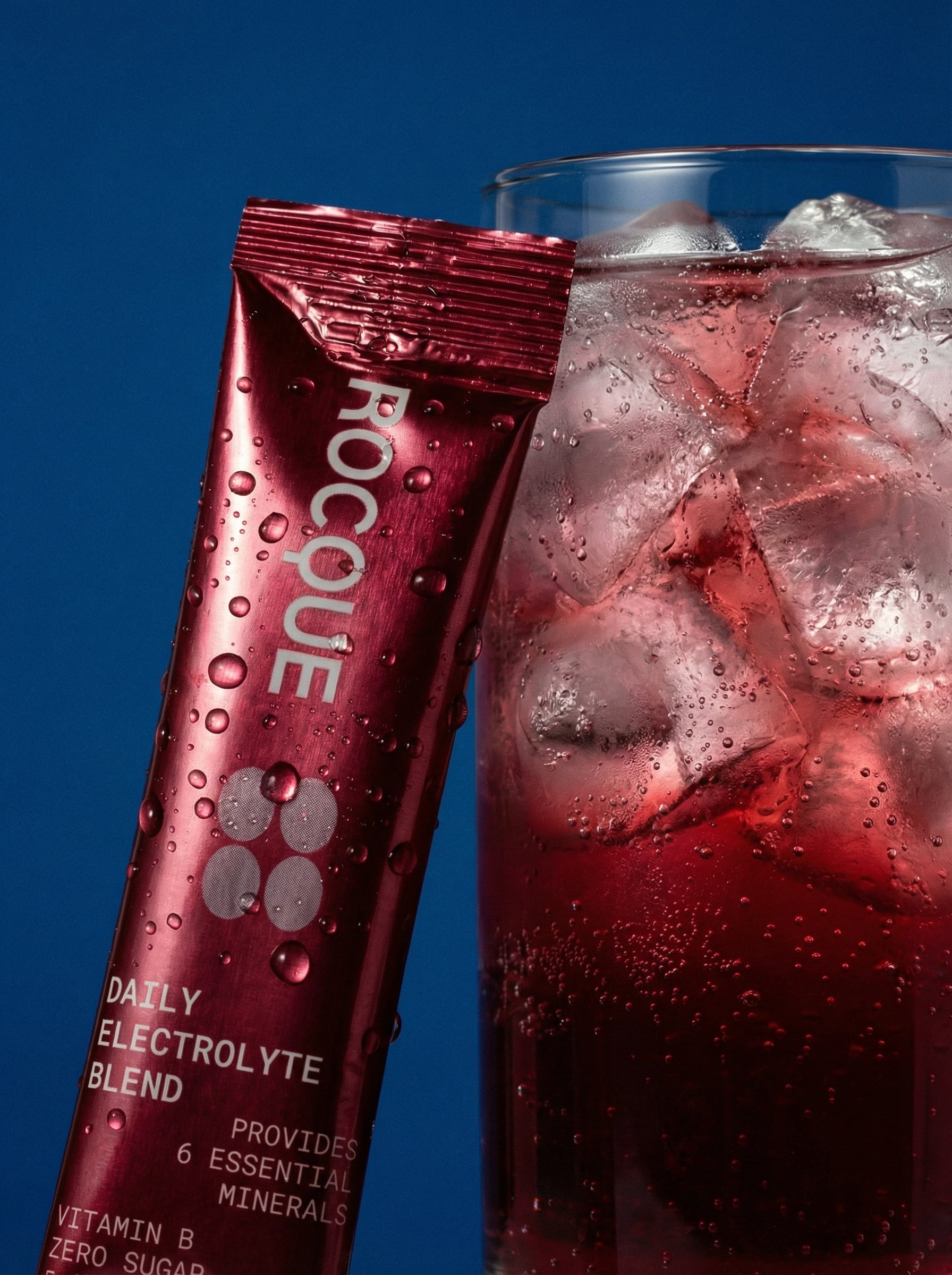
One sachet before long runs. Half a sachet mixed into your water during runs over 90 minutes. Full rehydration with electrolytes afterward. Dial in your approach before race day.
Pre-Race Loading
The three days before your event, ensure you're fully hydrated. Increase water and electrolyte intake slightly. Check that urine is consistently pale yellow.
You can't hydrate adequately on race morning alone. The preparation happens in the days before.
Race Day Protocol
Morning of the race: 500ml electrolyte water 2-3 hours before start time. Small sips in the hour before. Take advantage of race aid stations, but don't overdrink—hyponatremia (low sodium from excessive plain water) is a real risk in endurance events.
Simple Spring Upgrades
You don't need to overhaul your routine. Small changes compound into significant improvement.
Morning electrolytes become non-negotiable. Whatever your winter habit was, make spring the season you lock this in. Every morning, before anything else.
Keep water visible. On your desk. In your car. In your gym bag. Visibility drives behavior.
Match intake to the day. Hotter day, longer workout, or allergy symptoms? Drink more. Cool and sedentary? Standard baseline suffices.
Check your urine. A two-second glance provides immediate feedback on hydration status. Pale yellow means you're on track.
One sachet for normal days. Two for demanding ones. This simple framework covers most situations without overthinking.
The Bottom Line
Spring rewards those who prepare for it.
Your body is waking up from winter. It's ready for more activity, more sunshine, more life. But it needs more water and electrolytes to support that increased demand.
The adjustment is simple. Increase your baseline. Start earlier. Adjust for outdoor conditions. Maintain consistency.
Do this, and spring becomes the season you feel strongest. Skip it, and you'll wonder why outdoor fitness feels so hard.
Spring is here. Reset your hydration and make the most of it.