
Dehydration doesn't announce itself with flashing warnings.
It creeps in gradually, symptom by symptom, until you're operating far below your potential without realizing why. That afternoon slump? The difficulty concentrating? The headache you blame on stress? Often, dehydration is the hidden cause.
Understanding how dehydration progresses helps you recognize it earlier and intervene before performance and wellbeing suffer.
In this guide, you'll see exactly what happens as dehydration develops—hour by hour—and learn how quickly electrolytes can reverse the decline.
Hour 0: The Starting Point
You wake up already dehydrated.
After 7-8 hours without fluid, your body has continued its metabolic processes while receiving nothing to replace losses. Respiration alone costs approximately 200-400ml of water overnight. Add sweating, and the deficit grows.
Morning urine is concentrated—darker yellow than later in the day—reflecting this overnight depletion.
Most people don't address this deficit. They drink coffee (a mild diuretic) and rush into their day. The dehydration that started at hour zero continues building.
Hour 1-2: Mild Dehydration Begins
At around 1% body water loss, the first subtle changes appear.
What's Happening Internally
- Blood volume begins decreasing slightly
- Blood becomes marginally more concentrated
- The heart works slightly harder to maintain circulation
- Kidneys begin concentrating urine to conserve water
What You Might Notice
At this stage, most people notice nothing obvious. Perhaps slightly reduced energy, easily attributed to "not being a morning person." Maybe mild thirst, easily ignored.
The problem: thirst isn't reliable at 1% dehydration. The sensation often doesn't appear until 1-2% loss. By then, you're already impaired.
Hour 2-4: Cognitive Decline Kicks In
At 1-2% body water loss, measurable impairment begins.
What's Happening Internally
- Brain function becomes affected
- Concentration and short-term memory decline
- Core body temperature regulation becomes less efficient
- Kidneys aggressively concentrate urine
What You Might Notice
Difficulty concentrating. Tasks requiring sustained attention become harder. Reading the same paragraph multiple times. Losing track of what you were doing.
Thirst appears. Finally, the sensation arrives—but you're already impaired. Research shows cognitive performance drops measurably at 2% dehydration.
Reduced energy. Not dramatic exhaustion, but a subtle drag. Everything feels slightly harder.
Mood shifts. Irritability, decreased motivation, and general malaise are common. Research links dehydration to negative mood states and increased tension.
For the average 75kg person, 2% dehydration means losing just 1.5kg of water weight. That's easier than most people think.
Hour 4-6: Physical Performance Suffers
At 2-3% body water loss, physical capacity declines significantly.
What's Happening Internally
- Blood volume is noticeably reduced
- Heart rate increases to compensate
- Core temperature rises faster during activity
- Muscle function becomes impaired
- Sweat rate may decrease as the body tries to conserve water
What You Might Notice
Reduced exercise performance. Research shows 2% dehydration can reduce muscle endurance by 8.3%, strength by 5.5%, and anaerobic power by 5.8% (Savoie et al., 2015). Your workout feels harder for less result.
Headache arrives. The classic dehydration headache—often dull and diffuse—typically appears in this range. Blood vessel changes and reduced fluid around the brain contribute.
Dry mouth. Saliva production decreases noticeably.
Darker urine. If you do urinate, it's obviously concentrated—deep yellow or amber.
Fatigue intensifies. The subtle drag becomes obvious tiredness.
Hour 6-8: Serious Symptoms Develop
At 3-4% body water loss, dehydration becomes obviously problematic.
What's Happening Internally
- Significant blood volume reduction
- Heart works much harder to maintain circulation
- Temperature regulation is substantially impaired
- Kidney function may be affected
- Cellular processes are compromised
What You Might Notice
Severe headache. The earlier dull ache becomes pronounced pain.
Dizziness or lightheadedness. Reduced blood volume means less blood reaching your brain when you stand up.
Muscle cramps. Electrolyte imbalances trigger involuntary muscle contractions, especially in legs and feet.
Rapid heartbeat. Your heart compensates for reduced blood volume by beating faster.
Reduced urination. You may not urinate at all, or produce very small amounts of dark urine.
Severe fatigue. Beyond tiredness—genuine exhaustion.
At this level, most people recognize something is wrong. But they've already spent hours functioning below capacity.
Hour 8+: Dangerous Territory
Beyond 4-5% body water loss, dehydration becomes medically serious.
What's Happening Internally
- Significant cardiovascular strain
- Risk of heat illness if exercising
- Kidney stress
- Potential electrolyte imbalances affecting heart rhythm
- Risk of fainting and injury
What You Might Notice
Confusion or mental dullness. Cognitive impairment becomes pronounced.
No urination. Kidneys are conserving all available fluid.
Sunken eyes, very dry mouth. Physical signs of severe dehydration become visible.
Rapid, weak pulse. Cardiovascular compensation is failing.
Potential fainting. Blood pressure drops enough to cause loss of consciousness.
This level of dehydration requires medical attention. It's unlikely from normal daily activities but can occur during illness, extreme heat, or intense prolonged exercise without adequate fluid intake.
How Quickly Can You Rehydrate?
The good news: rehydration can be rapid—if you do it right.
Plain Water vs. Electrolyte Water
Studies show that water with electrolytes rehydrates more efficiently than plain water. The sodium helps your body absorb and retain the fluid rather than simply excreting it.
Research found that it's possible to fully rehydrate within 45 minutes when consuming water with sodium, compared to significantly longer with plain water alone (Logan-Sprenger et al., 2013).
The Rehydration Timeline
Minutes 0-15: Fluid begins absorbing from stomach and intestines. First relief of thirst sensation.
Minutes 15-30: Blood volume begins increasing. Heart rate starts normalizing.
Minutes 30-60: With electrolytes, significant rehydration occurs. Headache may begin receding. Energy starts returning.
Hours 1-2: Cognitive function improves. Urine production resumes with lighter color. Most symptoms resolve.
Hours 2-4: Full rehydration for mild-moderate dehydration. Performance capacity returns.
Severe dehydration takes longer—potentially 12-24 hours for complete restoration.
Prevention Is Better Than Cure
Recognizing dehydration is useful. Preventing it is better.
Morning Protocol
Address overnight dehydration immediately. 500ml of water with electrolytes upon waking sets the right foundation before the day's demands begin.
Consistent Sipping
Don't wait for thirst. Drink small amounts consistently throughout the day. Keep water visible and accessible.
Pre-Activity Hydration
Before exercise or demanding activities, hydrate proactively. Being well-hydrated before you start is easier than catching up once depleted.
Environmental Awareness
Heated offices, air-conditioned spaces, and airplane cabins all accelerate water loss without obvious sweating. Increase intake in these environments.
Urine Monitoring
Check urine color periodically. Pale yellow indicates adequate hydration. Darker color signals the need for more fluid.
The Bottom Line
Dehydration is a progression, not a switch.
By the time you feel obviously thirsty, you've already lost cognitive and physical performance. By the time you have a headache, you're significantly depleted. By the time you're dizzy and cramping, you're in trouble.
The timeline in this article isn't meant to frighten you. It's meant to help you recognize earlier signals and intervene sooner.
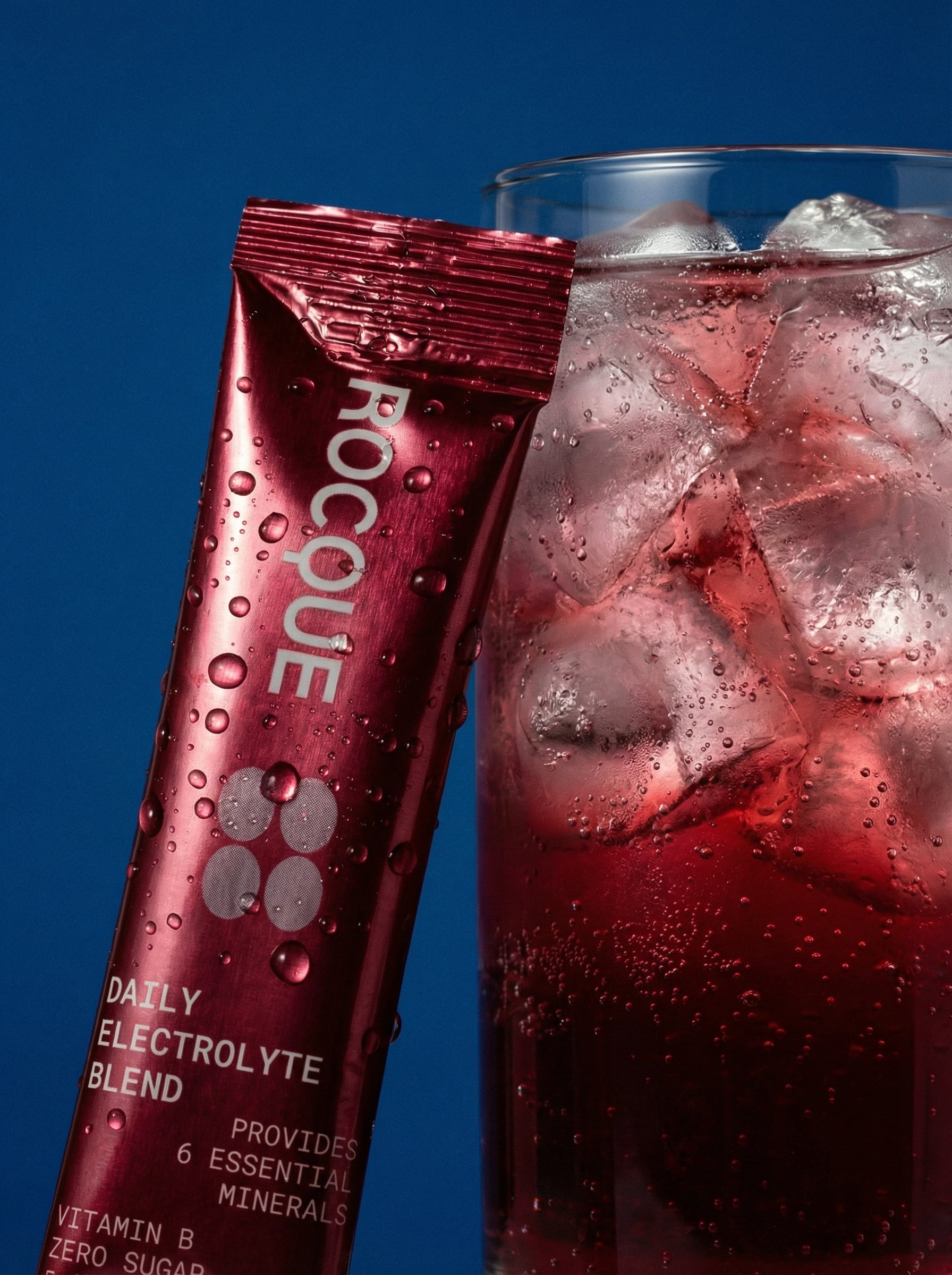
One electrolyte sachet in the morning. Consistent sipping throughout the day. A second sachet during exercise or demanding conditions.
That simple routine prevents the progression before it starts.
Your body operates best when properly hydrated. Give it what it needs.
References
Logan-Sprenger, H.M., & Spriet, L.L. (2013). The acute effects of fluid intake on urine specific gravity and fluid retention. Journal of Strength and Conditioning Research, 27(4), 1002-1008.
Savoie, F.A., et al. (2015). Effect of hypohydration on muscle endurance, strength, anaerobic power and capacity. Sports Medicine.