
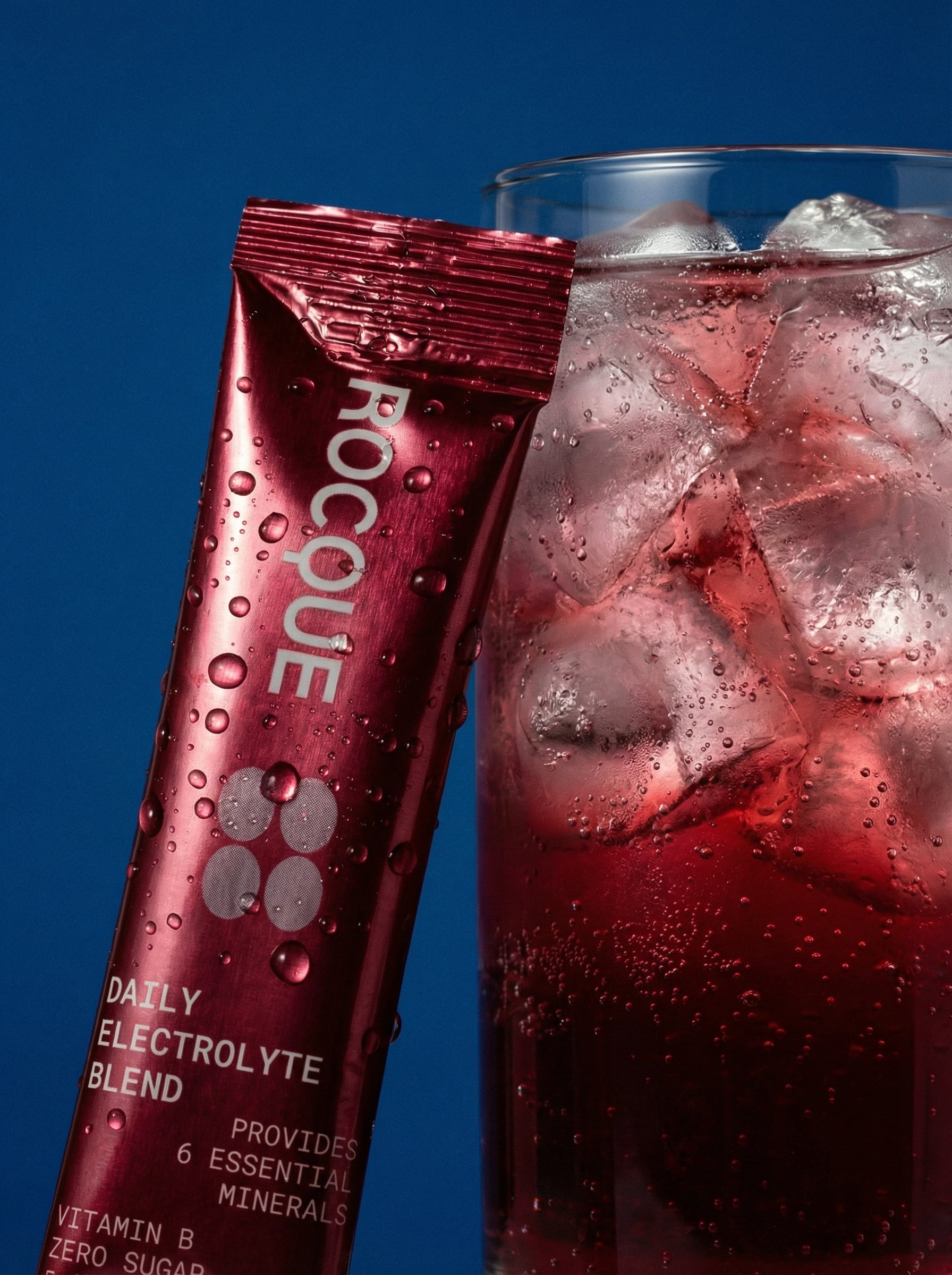

Walk down any supplement aisle and you'll find dozens of electrolyte powders screaming for attention. Bright colors. Bold claims. Promises of "maximum hydration" and "peak performance."
But here's the truth most brands won't tell you: many of these products are loaded with sugar, artificial flavors, and ingredients you don't actually need.
Finding the best electrolyte powder shouldn't require a chemistry degree. You just need to know what matters and what doesn't.
In this guide, you'll learn exactly what to look for in an electrolyte powder. We'll cover the essential minerals your body actually needs, the red flags to avoid, and how to choose a product that fits your lifestyle. Whether you're an athlete, someone dealing with daily fatigue, or just trying to stay hydrated, this breakdown will help you make a smart choice.
Why Electrolyte Powders Matter More Than You Think
Your body runs on electricity. Sounds dramatic, but it's true.
Every muscle contraction, nerve signal, and heartbeat depends on minerals called electrolytes. These include sodium, potassium, magnesium, calcium, phosphorus, and chloride. When levels drop too low, things start to go wrong.
Most people assume they're getting enough electrolytes through food. And while that's partially true, modern diets often fall short. Processed foods, restrictive eating patterns, and excessive sweating can all create deficits.
The symptoms of low electrolytes are sneaky. Brain fog. Afternoon crashes. Muscle cramps that wake you up at night. Headaches that won't quit. Many people chalk these up to stress or poor sleep. But often, the real culprit is electrolyte imbalance.
Research shows that even mild dehydration—losing just 1-2% of your body weight in fluid—can meaningfully impair endurance and may blunt strength and power. Specifically, a 2% loss of body mass through dehydration can reduce muscle endurance by 8.3%, muscle strength by 5.5%, and anaerobic power by 5.8% (Savoie et al., 2015).
And here's the kicker: you can drink plenty of water and still be functionally dehydrated if your electrolyte levels are off.
This is where electrolyte powders come in. They offer a convenient way to replenish what your body loses through sweat, stress, and daily activity.
What Makes an Electrolyte Powder Actually Good?
Not all electrolyte powders are created equal. Some deliver real results. Others are essentially expensive Kool-Aid with a health halo.
Here's what separates the best from the rest.
The Right Minerals in the Right Amounts
The most important factor is the electrolyte profile. A quality powder should contain the six essential electrolytes your body needs.
Sodium sits at the top of the list. It's the primary electrolyte lost through sweat and plays a critical role in fluid balance. Sodium helps keep water in your bloodstream and sets the gradients that let water follow into cells. Most people need far more sodium than conventional wisdom suggests, especially if they're active.
A 2014 meta-analysis found that sodium intakes fewer than 2.6 grams per day were actually associated with increased cardiovascular disease events and all-cause mortality, compared to intakes of 2.6-5 grams. The Framingham Offspring Study (2017) found that people without hypertension actually had higher blood pressure on low sodium diets (under 2.5 grams per day) than those exceeding that amount.
Potassium works alongside sodium to maintain proper cellular function. It helps regulate muscle contractions and keeps water inside your cells where it belongs. After a muscle fires, potassium is briefly pushed out of the cell so the muscle fiber can reset and fire again. This reset phase—called repolarization—is what allows muscles to contract rhythmically and with force.
Magnesium activates hundreds of enzymatic processes in your body. Its biggest role in hydration is activating adenosine triphosphate (ATP)—your body's main energy currency—to power the sodium-potassium pump. Without enough magnesium, the sodium-potassium pump slows down and electrical signals become less reliable.
Calcium does more than build bones. It's crucial for muscle contractions, nerve signaling, and maintaining a regular heartbeat.
Phosphorus helps your body produce ATP—the energy currency your cells run on. It also supports muscle recovery after exercise.
Chloride works with sodium to maintain fluid balance and support proper digestion.
A truly complete electrolyte powder includes all six. Many products focus only on sodium and potassium, leaving you with an incomplete formula.
What Shouldn't Be There
Just as important as what's in the powder is what's not.
Added sugars are a major red flag. Some electrolyte drinks contain as much sugar as a can of soda. While carbohydrates have their place during intense exercise lasting more than 60-90 minutes, most people don't need sugar in their daily hydration routine. It spikes blood glucose, adds empty calories, and can leave you feeling worse than before.
Artificial sweeteners like sucralose and aspartame are controversial. Some people tolerate them fine. Others experience digestive issues or find them overly sweet. Natural sweeteners like stevia tend to be gentler options.
Unnecessary additives clutter up many formulas. Artificial colors, fillers, and proprietary blends that hide ingredient amounts all deserve scrutiny. The best products keep things simple and transparent.
Taste That Works Long-Term
This might sound superficial, but it matters more than you'd think.
An electrolyte powder you hate drinking won't become a habit. And consistency is what actually moves the needle for hydration. When something is meant to be used daily, it should never push too far in any direction—not too sweet, not too salty.
The problem with many electrolyte products is they swing to extremes. Finding something balanced—something you can drink every day without grimacing—is worth prioritizing.
How to Choose the Best Electrolyte Powder for Your Needs
Different people have different requirements. An ultramarathon runner and a desk worker won't need the same formula.
Here's how to match a product to your situation.
For Daily Hydration and Energy
If you're looking to feel more alert, reduce afternoon slumps, and support general wellness, look for a moderate-dose formula you can use consistently.
The goal isn't to mega-dose electrolytes. It's to maintain steady levels throughout the day. A product with around 400-500mg of sodium per serving, along with meaningful amounts of the other five electrolytes, fits this use case well.
For most people, one sachet per day covers everyday hydration needs. This includes days with a standard workout lasting up to an hour. One sachet mixed with 500ml of water provides enough electrolytes to support daily activity, mental clarity, and a moderate training session.
Think of it this way: one sachet handles your baseline. It replaces what you lose through normal sweating, keeps your energy steady, and supports muscle function during typical workouts. For the average person hitting the gym for an hour or going for a morning run, this is all you need.
Convenience matters here too. Single-serve packets that travel easily make it simple to stay consistent whether you're at home, at work, or on the road.
Here's an important reality check: up to 71% of adults fail to meet current fluid intake recommendations and are likely dehydrated before they even start their day (Armstrong et al., 2018). Simply drinking enough fluid with electrolytes is often the missing piece.
For Athletes and Intense Training
If you're training hard, going longer than an hour, or working out in hot conditions, your needs increase.
For more intense workouts, increase to two sachets per day. This higher dosage accounts for greater sweat losses and the increased demands your body faces during challenging sessions.
When should you consider two sachets? Here are some guidelines:
- Training sessions lasting 90 minutes or longer
- High-intensity interval training (HIIT) or heavy lifting
- Exercising in hot or humid conditions
- Training twice in one day
- Heavy sweaters who notice salt stains on their clothes
- Days with both a workout and significant outdoor activity
You don't need to take both sachets at once. Spread them throughout the day for steady electrolyte levels. For example, one sachet in the morning before your workout and another in the afternoon or evening. This approach keeps your body consistently supplied rather than creating peaks and valleys.
Athletes can lose anywhere from 500ml to 3 liters of fluid per hour through sweat. That fluid contains substantial amounts of sodium—sometimes over 1000mg per liter for heavy sweaters. Two sachets deliver around 820mg of sodium, helping offset these losses without going overboard.
Timing also matters. Pre-hydrating with electrolytes 2-4 hours before exercise helps maintain performance. Research indicates that it's possible to fully rehydrate within 45 minutes after consuming just 600ml of water with added sodium (Logan-Sprenger et al., 2013). Waiting until you're already thirsty puts you behind the curve.
For Low-Carb and Keto Dieters
People following ketogenic or low-carb diets often struggle with electrolyte balance. When you reduce carbohydrate intake, your kidneys excrete more sodium. This can cause the infamous "keto flu"—headaches, fatigue, muscle cramps, and brain fog.
A sugar-free electrolyte powder becomes essential for this group. Look for products sweetened with stevia or monk fruit rather than sugar or maltodextrin.
Keto dieters may benefit from two sachets daily, even without intense exercise, simply to offset the increased sodium excretion that comes with carbohydrate restriction. Many find this makes a dramatic difference in how they feel during the adaptation period.
For Recovery and Sleep
Electrolytes don't just support daytime function. They play a role in recovery and sleep quality too.
Magnesium in particular has calming effects on the nervous system. Taking an electrolyte powder with meaningful magnesium content in the evening can support relaxation and better sleep.
Some products are specifically formulated for evening use, combining electrolytes with sleep-supporting ingredients like vitamin B6. Research shows that vitamin B6 plays a key role in neurotransmitter synthesis, particularly in the conversion of tryptophan to serotonin—which is required for maintaining mood stability and promoting healthy sleep patterns (Kennedy, 2016).
A Simple Dosage Guide
Here's a straightforward way to think about electrolyte dosage:
One sachet per day works for:
- Everyday hydration and wellness
- Standard workouts up to one hour
- Desk workers looking to improve focus and energy
- Light to moderate activity days
Two sachets per day works for:
- Intense training sessions
- Workouts lasting longer than one hour
- Training in heat or humidity
- Heavy sweaters
- Keto or low-carb dieters
- Days with multiple training sessions
- Recovery from illness or travel
Three sachets per day may be appropriate for:
- Endurance athletes during heavy training blocks
- Ultra-distance events
- Extreme heat exposure
- As recommended by a healthcare provider
The key is matching your intake to your output. More sweating and more intensity means more electrolytes needed. Less activity means you can stick with the baseline.
Common Electrolyte Powder Mistakes to Avoid
Even well-intentioned people make these errors. Avoiding them puts you ahead of most.
Relying on Thirst as Your Guide
Thirst is a lagging indicator. By the time you feel thirsty, you're already dehydrated.
The sensation of thirst often lags behind your actual needs, especially when you're going hard. Many people don't feel parched until significant fluid loss has already occurred.
A better approach is proactive hydration. Start your day with electrolytes. Drink consistently throughout the day. Don't wait for symptoms.
Drinking Plain Water During Intense Exercise
Water alone doesn't cut it for extended physical activity. In fact, drinking large amounts of plain water during exercise can actually make things worse.
When you sweat, you lose sodium. When you drink plain water, you dilute the sodium that's left. This can lead to a dangerous condition called hyponatremia—low blood sodium that causes confusion, nausea, and in severe cases, seizures.
Research from 24-hour ultra events reported that plasma volume increased by 10.2% on average, and 80% of runners showed signs of hyperhydration when relying primarily on plain water. This highlights just how easy it is to over-hydrate with plain water while still becoming electrolyte-depleted.
Adding electrolytes to your water during workouts prevents this dilution effect and helps your body actually retain the fluid you're drinking.
Underdosing on Hard Training Days
One of the most common mistakes is sticking with one sachet regardless of activity level. Your electrolyte needs aren't static—they change based on what you're asking your body to do.
If you trained hard and still feel fatigued, crampy, or foggy afterward, consider whether your electrolyte intake matched the demands of your session. Bumping up to two sachets on intense days often solves these issues.
Assuming More Is Always Better
On the flip side, some people figure if electrolytes are good, mega-dosing must be better. This isn't true either.
While it's difficult for healthy people to consume "too many" electrolytes (your kidneys are remarkably good at excreting excess), there's a point of diminishing returns. Taking excessive amounts won't give you superpowers. It'll just make your water taste saltier than necessary.
Stick to the recommended range of 1-3 sachets per day. Adjust based on your activity level and how you feel.
Choosing Based on Marketing Instead of Ingredients
Flashy packaging and celebrity endorsements don't make a product effective. Ingredients do.
Flip the package over. Look at the actual electrolyte content per serving. Check for added sugars. Read through the ingredient list for unnecessary fillers.
The companies making the best products usually don't need to shout the loudest. They let the formula speak for itself.
What the Science Says About Sodium
There's widespread confusion about sodium intake. Many people think they need to minimize it.
The reality is more nuanced.
The World Health Organization recently re-provoked the war on salt, claiming that capping sodium intake at 2 grams per day reduces blood pressure and improves heart health. However, this recommendation has significant problems.
The INTERSALT Study (1988) found zero correlation between salt consumption and high blood pressure in 10,000 people across 48 global populations. A 2011 JAMA study found that people limiting sodium to 3 grams per day actually had more heart attacks and strokes than those consuming 4-6 grams per day.
For athletes, the picture is even clearer. Performance suffers when sodium is restricted. Muscle cramps increase. Energy drops. Cognitive function declines.
The WHO's blanket recommendation of 2 grams per day simply doesn't account for individual variation in activity level, sweat rate, and overall health status. Based on available research, the biological sweet spot appears to be between 4 and 6 grams of sodium per day for healthy, active individuals.
If you exercise regularly, live in a warm climate, or follow a whole-foods diet that's naturally lower in sodium, you likely need more than you've been told.
The Hidden Link Between Sodium and Mood
Here's something most people don't realize: sodium status can directly impact how you feel emotionally.
Research on sodium-deprived rats shows classic depressed behavior—less interest in normal activities, ignoring rewards that usually bring them joy. The brain is remarkably active when sodium levels drop, triggering hormonal cascades that can elevate cortisol and alter how the dopamine system processes rewards.
When someone is sodium deficient, salty tastes become more rewarding while other typically pleasurable things become less so. This makes evolutionary sense—sodium is essential for survival, so the brain prioritizes finding it. But the side effect is that low sodium can leave you feeling flat and unmotivated.
While salt isn't a cure for depression, maintaining adequate sodium intake is worth considering as part of a holistic approach to mood and energy.
How Electrolyte Powders Compare to Other Hydration Options
You have choices when it comes to staying hydrated. Here's how electrolyte powders stack up.
Versus Sports Drinks
Traditional sports drinks like Gatorade deliver electrolytes but come packaged with significant sugar—often 30+ grams per bottle. For intense endurance exercise where you're burning through glycogen, that sugar serves a purpose. During exercise lasting more than 60-90 minutes, consuming 30-60 grams of carbohydrate per hour can help maintain blood glucose levels.
But for daily hydration, that sugar is unnecessary baggage. Electrolyte powders give you more control. You get the minerals without being forced to consume sugar you don't need.
Versus Tablets
Electrolyte tablets are convenient and portable. However, they typically contain lower amounts of electrolytes per serving than powders. They also require water to dissolve, which can take time.
For people who want maximum flexibility and the ability to customize strength, powders tend to be more versatile.
Versus Coconut Water
Coconut water is often marketed as nature's sports drink. It contains potassium and some other minerals. However, it's relatively low in sodium—the electrolyte most people need most.
It's also expensive for what you get and requires refrigeration once opened. As a primary hydration strategy, it falls short.
Versus IV Hydration
IV hydration clinics have popped up everywhere, promising rapid rehydration. While IV fluids can be useful in medical situations, they're overkill for routine hydration needs.
Your gut is designed to absorb fluids. Drinking electrolyte-enriched water works. You don't need a needle in your arm.
Building a Sustainable Hydration Habit
The best electrolyte powder in the world won't help if it sits unused in your cabinet. Consistency is everything.
Here are practical ways to make hydration stick.
Start your morning with electrolytes. You wake up dehydrated after hours without fluid. A large bottle of water with one sachet before your morning activities gets you ahead of the curve.
Keep packets where you'll see them. On your desk. In your gym bag. In your car. Visibility drives behavior.
Pair hydration with existing habits. If you always have coffee at 9 AM, make that your cue to drink electrolytes too. Habit stacking works.
Adjust based on your day. Planning a tough workout? Grab a second sachet. Rest day? One is plenty. Let your activity guide your intake.
Track how you feel. Pay attention to your energy, focus, and physical symptoms over a few weeks. Most people notice improvements quickly once they address hydration.
Find a taste you genuinely enjoy. This bears repeating. Forcing yourself to drink something unpleasant isn't sustainable. Experiment until you find a flavor that feels more like a treat than a chore.
Timing Your Electrolyte Intake for Maximum Benefit
When you consume electrolytes matters almost as much as what you consume.
Morning: Start your day with one sachet in 500ml of water. This replaces fluids lost overnight and sets you up for the day ahead.
Pre-workout: If training in the morning, your first sachet serves double duty. For afternoon or evening workouts, consider timing your second sachet about 2 hours before exercise.
During exercise: For sessions over an hour, sipping on electrolyte water throughout helps maintain performance. The stomach can clear around 180-210ml of fluid every 15 minutes.
Post-workout: If you've trained intensely and used two sachets, you're already covered. For lighter days with one sachet, drinking it after your workout supports recovery.
Evening: If using a second sachet, the evening works well—especially since magnesium supports relaxation and sleep quality.
The Bottom Line on Electrolyte Powders
Good hydration isn't complicated. But it does require intention.
The best electrolyte powders share certain qualities. They contain all six essential electrolytes in meaningful amounts. They skip the sugar and unnecessary additives. They taste good enough to drink daily. And they come from companies that prioritize transparency over hype.
For most people, the dosage is simple:
- One sachet per day for everyday hydration and normal workouts up to an hour
- Two sachets per day for intense training, longer sessions, or increased demands
Your body needs these minerals to function. Your brain needs them to think clearly. Your muscles need them to perform.
Don't overthink it. Pick a quality product. Match your intake to your activity. Pay attention to how you feel.
The difference might surprise you.
References
Armstrong, L.E., & Johnson, E.C. (2018). Water Intake, Water Balance, and the Elusive Daily Water Requirement. Nutrients, 10(12), 1928.
Kennedy, D.O. (2016). B Vitamins and the Brain: Mechanisms, Dose and Efficacy—A Review. Nutrients, 8(2), 68.
Logan-Sprenger, H.M., & Spriet, L.L. (2013). The acute effects of fluid intake on urine specific gravity and fluid retention in a mildly dehydrated state. Journal of Strength and Conditioning Research, 27(4), 1002-1008.
Savoie, F.A., et al. (2015). Effect of hypohydration on muscle endurance, strength, anaerobic power and capacity and vertical jumping ability. Sports Medicine, various studies compiled.