
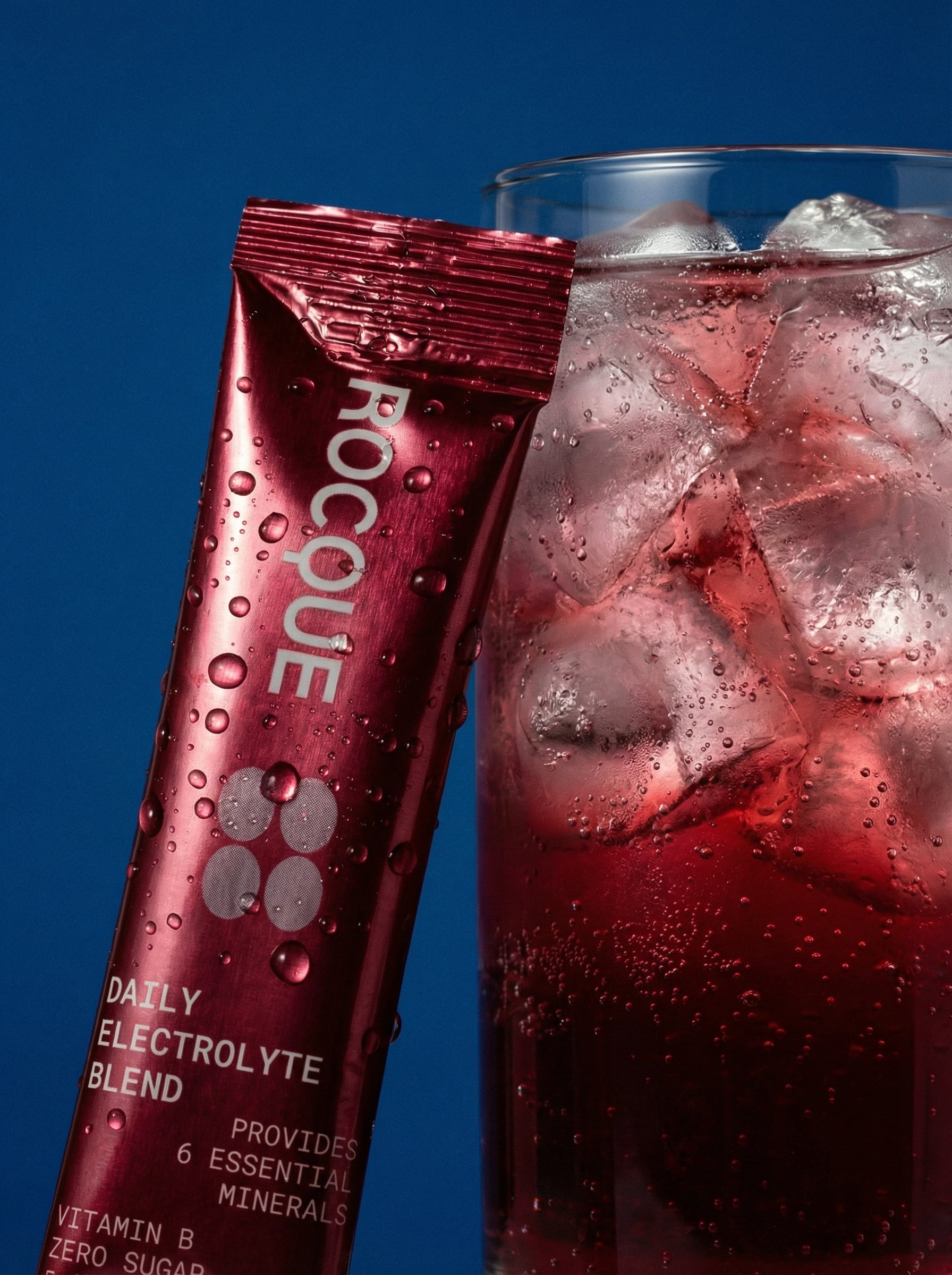

Check the label on most electrolyte products. You'll find a chemistry experiment.
Artificial colors. Artificial sweeteners. Synthetic compounds from industrial processes you'd rather not think about.
There's a better way. Plant-based electrolyte drinks use ingredients from nature—real food sources, botanical extracts, and natural sweeteners. They deliver the minerals your body needs without the additives it doesn't.
What "Plant-Based" Actually Means
In the electrolyte context, plant-based means:
Natural mineral sources rather than synthetic chemistry—sodium from Himalayan salt, magnesium from citrate forms rather than poorly-absorbed oxide.
Natural sweeteners like stevia rather than sucralose, aspartame, or acesulfame-K.
Natural colors and flavors from plants—beetroot extract for color, botanical extracts for flavor—rather than artificial dyes.
No unnecessary fillers that serve manufacturing convenience rather than your health.
The Problem With Conventional Products
Sugar Overload
Many popular electrolyte drinks contain as much sugar as soda—around 36 grams per bottle. That's 9 teaspoons.
For daily hydration, this sugar creates problems: blood sugar spikes, empty calories, and glycation that accelerates aging and damages collagen.
Artificial Sweeteners
Sugar-free products often use synthetic sweeteners like sucralose and aspartame. Research links these to gut microbiome disruption and increased sugar cravings. Many people report digestive discomfort or headaches.
Plus, they taste artificial. That chemical aftertaste is immediately recognizable.
Artificial Colors
Why does your electrolyte drink need to be neon blue? These colors come from synthetic dyes that serve no nutritional purpose whatsoever.
Industrial-Grade Ingredients
Magnesium oxide, for example, is cheap but poorly absorbed—some estimates suggest only 4% bioavailability. Yet it appears in many supplements because it allows high label claims at low cost.
Why Natural Ingredients Perform Better
Stevia: The Natural Sweetener
Stevia comes from the Stevia rebaudiana plant. It provides intense sweetness with zero calories and no glycemic impact.
Unlike artificial sweeteners, stevia doesn't disrupt the gut microbiome. The taste is cleaner, without that bitter chemical aftertaste.
Natural Mineral Sources
Himalayan salt and sea salt provide sodium along with trace minerals.
Magnesium citrate and glycinate offer dramatically better bioavailability than oxide—some studies show 5-10 times better absorption.
Potassium citrate is well-absorbed and gentler on digestion.
Natural Colors With Benefits
Beetroot extract provides natural color while contributing nitrates that support cardiovascular function. When used for color, it contributes positively rather than merely neutrally.
German and Polish Consumer Expectations
Germany: Leading Clean-Label Demand
Germany leads the EU in demand for natural, clean-label products. German consumers read labels carefully and reject products with questionable additives.
The Nutri-Score system helps consumers evaluate quality. Products with excessive sugar or artificial additives score poorly.
Poland: Growing Health Consciousness
Poland's wellness market is rapidly maturing. Younger Polish consumers increasingly mirror German attitudes toward ingredient quality.
Discussions of sugar taxes have raised awareness. Health influencers actively promote clean-eating philosophies.
EU-Wide Standards
The EU maintains stricter regulations on food additives than most global markets. Certain artificial colors banned in the EU remain legal in the US. Choosing EU-produced products means benefiting from this regulatory framework.
What to Look For
Complete electrolyte profile: All six essential electrolytes—sodium, potassium, magnesium, calcium, chloride, and phosphorus.
No added sugar: Look for stevia or monk fruit instead.
Transparent ingredients: Avoid "proprietary blends" that hide what's actually in the product.
Natural colors and flavors: No artificial colors (anything with a number like Red 40) or synthetic flavors.
Bioavailable forms: Magnesium citrate or glycinate (not oxide), potassium citrate, calcium citrate.
The Bottom Line
Your body doesn't need artificial colors, synthetic sweeteners, or industrial-grade mineral compounds. It needs electrolytes—delivered in forms it recognizes and can actually use.
Plant-based formulations meet this need without compromise. They deliver essential minerals through natural sources. They sweeten with stevia rather than chemicals. They color with beetroot rather than dyes.
When something is meant to be used daily, it should never push too far in any direction. Not too sweet. Not too artificial. Just right.
That's what plant-based hydration delivers.