

You drink water every day. You think you're doing it right.
But most people make the same hydration mistakes without realizing it. These errors don't cause dramatic problems overnight. They create a slow drain on energy, focus, and performance that becomes your new normal.
The good news? Once you know what to fix, the solutions are simple.
In this guide, you'll learn the most common hydration mistakes—and exactly how to correct them. Some will surprise you. Others will finally explain why you've felt off despite "drinking enough water."
Mistake #1: Waiting Until You're Thirsty
This is the most widespread hydration error.
Thirst is a lagging indicator. By the time you feel it, you've already lost 1-2% of your body weight in fluid. At that point, cognitive and physical performance are already declining.
The sensation of thirst often lags behind your actual needs, especially when you're busy or focused. Many people don't feel parched until significant dehydration has set in.
The fix: Drink proactively throughout the day. Set reminders if needed. Keep water visible on your desk. Don't wait for your body to ask—stay ahead of the curve.
Mistake #2: Ignoring Electrolytes
Plain water is good. But it's not enough.
Your body doesn't just need water—it needs minerals to actually use that water. Without adequate electrolytes, much of what you drink passes straight through without hydrating your tissues.
Sodium in particular helps your body absorb and retain water. Research shows that adding electrolytes significantly improves fluid retention compared to plain water alone (Logan-Sprenger et al., 2013).
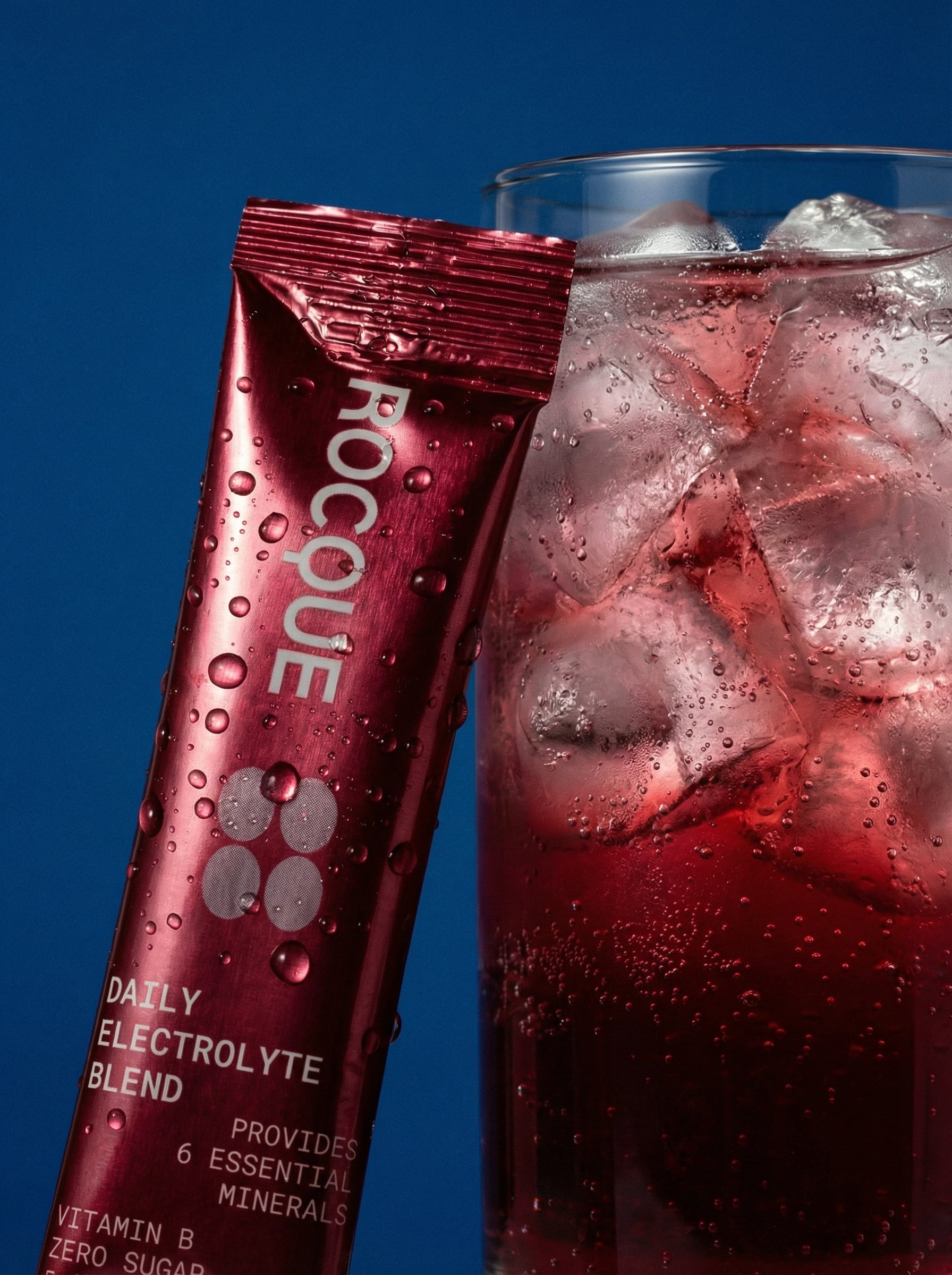
The fix: Add electrolytes to your daily routine. One sachet per day covers baseline needs. Two sachets for more intense activity or hot conditions.
Mistake #3: Over-Hydrating With Plain Water
Surprisingly, drinking too much plain water can be harmful.
When you consume large volumes without electrolytes, you dilute the sodium in your bloodstream. This condition—hyponatremia—causes headache, nausea, confusion, and in severe cases, seizures.
Research from endurance events found that 80% of runners showed signs of hyperhydration when relying primarily on plain water. They weren't dehydrated—they were dangerously diluted.
The fix: Balance water intake with electrolytes, especially during exercise. More isn't always better. Quality of hydration matters more than quantity.
Mistake #4: Relying Too Heavily on Coffee
Germany ranks as the 5th largest coffee consumer globally. If you're reading this, there's a good chance coffee is part of your daily routine.
Coffee provides some hydration, but excessive amounts have diuretic effects. More importantly, many people substitute coffee for water, especially in the morning when they're already dehydrated from overnight.
The caffeine also masks fatigue that might otherwise signal dehydration. You feel alert from the stimulant while your tissues remain under-hydrated.
The fix: Have your electrolyte water first thing in the morning, before coffee. Don't count coffee as your primary hydration source. Match each cup with additional water.
Mistake #5: Drinking Most of Your Water at Once
Gulping a liter of water in one sitting doesn't hydrate you efficiently.
Your body can only absorb so much fluid at once. The stomach can clear around 180-210ml every 15 minutes. Drink faster than this, and the excess mostly triggers urination rather than tissue hydration.
Many people realize at 3pm they've barely drunk anything, then try to catch up with a massive intake. This creates bathroom trips, not hydration.
The fix: Sip consistently throughout the day rather than gulping large amounts. Spread your intake evenly. Small, regular drinks beat occasional floods.
Mistake #6: Forgetting About Indoor Environments
You might think hydration only matters when you're active or outside. Wrong.
Modern indoor environments are dehydration traps. Central heating strips moisture from the air—humidity in heated offices often drops below 30%. Air conditioning has similar effects in summer.
You lose water through skin and breathing without noticing. No sweat, no thirst signal, but steady depletion throughout the workday.
The fix: Keep water at your desk and drink regularly, regardless of thirst. Consider a humidifier for your home office. Don't let comfort fool you into neglecting hydration.
Mistake #7: Assuming Mineralwasser Is Enough
In Germany, many people believe that mineral water provides all the electrolytes they need. This is a common misconception.
While Mineralwasser contains some dissolved minerals, amounts vary wildly between brands and are often insufficient for actual electrolyte replacement. Most mineral waters contain far less sodium than your body loses through even light sweating.
Sparkling water has the same limitation. Carbonation doesn't add electrolytes—just bubbles.
The fix: Don't rely on mineral water for electrolyte needs. Use purpose-formulated products that deliver consistent, meaningful amounts of all essential minerals.
Mistake #8: Mistaking Dehydration for Hunger
Thirst and hunger signals can feel remarkably similar. The hypothalamus regulates both, and the wires sometimes cross.
Many people reach for snacks when what they actually need is water. This leads to unnecessary eating and continued dehydration—a double problem.
Mid-afternoon is prime time for this confusion. Energy dips, concentration fades, and the vending machine calls. Often, a glass of electrolyte water would solve the problem better than a snack.
The fix: When you feel hungry between meals, drink water first. Wait 15 minutes. If you're still hungry, eat. You'll be surprised how often the "hunger" disappears.
Mistake #9: Neglecting Post-Workout Hydration
You finish your workout, feel good, and move on with your day. But the hydration work isn't done.
During exercise, you lose both water and electrolytes through sweat. These need replacement for proper recovery. Skipping post-workout hydration means slower muscle repair, increased soreness, and depleted energy for the rest of the day.
Research shows that replacing fluids lost during training within a few hours supports better recovery and next-day performance.
The fix: Rehydrate with electrolytes after every workout. For intense sessions, aim to replace more fluid than you lost—multiply estimated sweat loss by 1.5.
Mistake #10: Not Adjusting for Changing Conditions
Your hydration needs aren't static. They change with seasons, activity levels, travel, and health status.
Many people find a routine that works and stick with it regardless of circumstances. But one sachet daily in winter might be insufficient during summer training. Your regular intake might fall short during illness or travel.
The fix: Pay attention to context. Increase intake during hot weather, heavy exercise, illness, or travel. Decrease isn't usually necessary—your kidneys handle excess well—but increasing when needed is essential.
Building Better Habits
Fixing these mistakes doesn't require dramatic changes. Small adjustments compound into significant improvements.
Start your day with electrolytes. Before coffee, before breakfast. Address overnight dehydration immediately.
Keep water visible. On your desk, in your bag, in your car. Visibility drives behavior.
Set regular reminders until the habit becomes automatic.
Check your urine color. Pale yellow means you're on track. Darker suggests you need more.
Match intake to demands. One sachet for normal days. Two for intense activity or challenging conditions.
The Bottom Line
Most hydration mistakes stem from outdated advice or simple inattention. Waiting for thirst. Ignoring electrolytes. Assuming water alone is sufficient.
Now you know better.
The fixes are straightforward. Drink proactively. Include electrolytes. Spread intake throughout the day. Adjust for your circumstances.
Small changes, consistently applied. That's how good hydration becomes automatic.
References
Logan-Sprenger, H.M., & Spriet, L.L. (2013). The acute effects of fluid intake on urine specific gravity and fluid retention. Journal of Strength and Conditioning Research, 27(4), 1002-1008.