
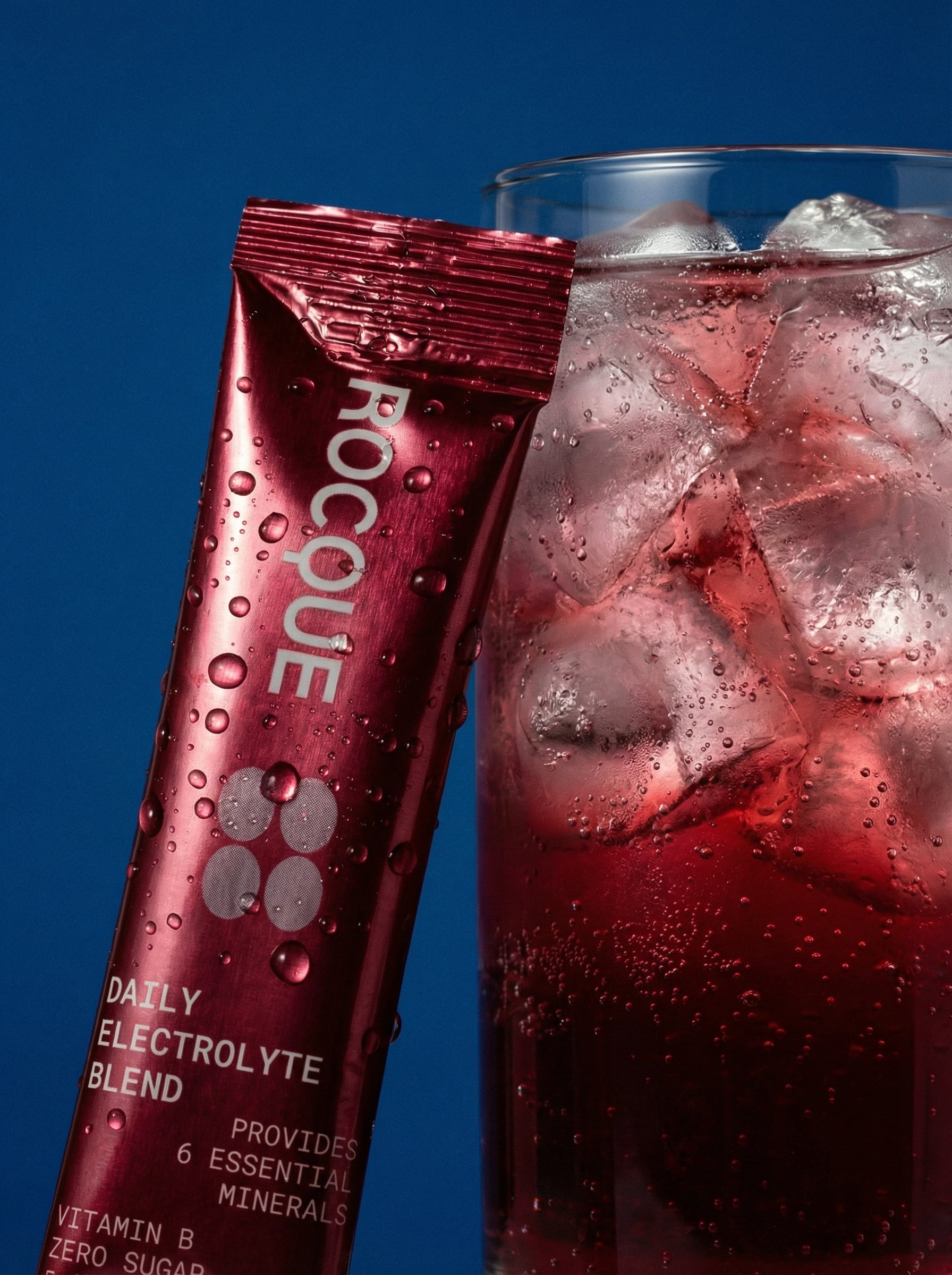

You're at a bar. Everyone's ordering cocktails. You want something that isn't water, juice, or a sugary mocktail.
This is the sober curious dilemma. And it's more common than ever.
Gen Z is drinking less than any previous generation—65% report reducing their alcohol intake. The sober curious movement isn't about abstinence. It's about choosing drinks that support rather than sabotage how you feel.
In this guide, you'll learn why the sober curious movement is exploding across Germany and Poland, what happens when you skip alcohol, and why electrolyte drinks offer something genuinely useful.
What Does Sober Curious Mean?
Sober curious describes people who question their relationship with alcohol without committing to complete abstinence. It's about mindfulness—paying attention to why you drink and whether those effects align with your goals.
For some, it means extended breaks like Dry January. For others, it means cutting back while occasionally enjoying a drink. For many, it's simply about finding satisfying alternatives.
Why Germany and Poland Are Leading the Shift
Berlin's Alcohol-Free Scene
Berlin has become Europe's unofficial capital of sober nightlife. Alcohol-free bars like Zeroliq have opened to genuine demand. Major clubs host regular alcohol-free nights.
This isn't about rejecting Berlin's famous nightlife—it's about expanding options.
Poland's Growing Awareness
Poland's relationship with alcohol is evolving. Dry January (Suchy Styczeń) participation has grown significantly. Health consciousness among younger Poles mirrors broader European trends.
Warsaw's bar scene increasingly offers sophisticated non-alcoholic options beyond cola and juice.
What Alcohol Does to Your Body
Immediate Dehydration
Alcohol suppresses antidiuretic hormone (ADH), causing your kidneys to produce more urine. Every alcoholic drink accelerates water and electrolyte loss.
Sleep Disruption
Alcohol might help you fall asleep, but it destroys sleep quality. It suppresses REM sleep and causes more frequent waking. Research shows sleep deprivation significantly impairs cognitive function and physical performance (Skein et al., 2013).
Electrolyte Depletion
Increased urination flushes out sodium, potassium, and magnesium. This mineral depletion contributes significantly to hangover symptoms—the headache, fatigue, and brain fog.
Why Most Alcohol Alternatives Fall Short
Mocktails are essentially sugar bombs that spike blood sugar and deliver empty calories.
Alcohol-free beer and wine have improved, but they don't actively contribute anything positive beyond taste.
"Adaptogenic" drinks often contain insufficient doses of active ingredients to produce meaningful effects.
Why Electrolyte Drinks Work
Here's what makes electrolyte drinks different: they actually do something useful.
Sodium supports fluid balance and cognitive function. Adequate sodium helps maintain energy and alertness.
Magnesium supports nervous system regulation with genuine calming effects. Many people find it takes the edge off social anxiety naturally.
Potassium supports steady energy rather than peaks and crashes.
These aren't marketing claims. They're documented physiological functions.
The Social Advantage
Having something to sip matters psychologically. But unlike sugary mocktails, electrolyte drinks don't undermine how you feel. You can enjoy the social situation while knowing you'll feel just as good when you leave.
The Morning After
No hangover. You wake up hydrated rather than depleted. Your sleep was restorative. Your electrolyte levels are supported.
The ability to enjoy a full night out and wake up ready for a morning workout is surprisingly liberating.
Practical Scenarios
At the bar: Order sparkling water and add an electrolyte sachet. Most bars accommodate this without question.
House parties: Bring your own sachets. Mix with sparkling water for variety.
Networking events: Having an alternative that keeps you sharp provides genuine advantage. You stay present, remember names, and drive home safely.
After work: An evening electrolyte drink—particularly with magnesium—supports genuine relaxation without the downsides.
Building a Sober Curious Routine
Replace, don't deprive. Stock options you genuinely enjoy.
Plan ahead. Decide what you'll drink before arriving at social situations.
Notice how you feel. Pay attention to your sleep, energy, and mood after alcohol-free nights.
Allow flexibility. Sober curious isn't about rigid rules. The goal is intentionality.
The Bottom Line
The sober curious movement isn't about deprivation. It's about finding what actually makes you feel good.
Electrolyte drinks offer something genuinely useful—hydration, mineral balance, steady energy. They work in social situations without undermining your sleep or your morning.
You don't have to quit alcohol entirely. But having a satisfying alternative changes the calculation.
References
Skein, M., et al. (2013). The effect of overnight sleep deprivation on postmatch physiological and perceptual recovery. International Journal of Sports Physiology and Performance, 8(5), 556-564.

