
Wenn die Temperaturen sinken, werden Wasserflaschen vergessen. Heißer Kaffee ersetzt kalte Getränke. Und irgendwie gerät das Ausreichend Trinken in Vergessenheit.
Das ist ein Fehler. Ein großer Fehler.
Dehydrierung im Winter ist überraschend häufig – und überraschend schädlich. Man verspürt bei Kälte zwar weniger Durst, doch der Flüssigkeitsbedarf des Körpers verschwindet nicht mit der Sommerhitze. Im Gegenteil: In den kälteren Monaten ist es oft sogar schwieriger, ausreichend zu trinken.
In diesem Ratgeber erfahren Sie, warum es im Winter zu Dehydrierung kommt, wie sie sich auf Ihren Körper und Ihre Leistungsfähigkeit auswirkt und welche praktischen Strategien Ihnen helfen, ausreichend Flüssigkeit zu sich zu nehmen, wenn Sie eigentlich kein kaltes Wasser trinken möchten. Ob Sie im Winter trainieren, in beheizten Büros arbeiten oder einfach nur in der Erkältungs- und Grippezeit gesund bleiben wollen – das richtige Verständnis von Flüssigkeitszufuhr im Winter kann einen entscheidenden Unterschied machen.
Warum die Dehydrierung im Winter so schnell auftritt
Sommerliche Dehydrierung ist offensichtlich. Man schwitzt. Man fühlt sich heiß. Der Körper schreit nach Wasser.
Dehydrierung im Winter ist heimtückisch. Die Anzeichen sind schwach, aber die Folgen sind genauso real.
Reduziertes Durstgefühl
Kaltes Wetter unterdrückt das Durstgefühl. Wenn dem Körper kalt ist, verengen sich die Blutgefäße, um Wärme zu speichern. Dadurch verändert sich die Wahrnehmung des Flüssigkeitshaushalts im Gehirn.
Studien zeigen, dass das Durstgefühl bei Kälte um bis zu 40 % abnehmen kann. Der Körper gaukelt sich quasi selbst vor, kein Wasser zu benötigen. Der Bedarf bleibt jedoch bestehen.
Durch das verminderte Durstgefühl greift man tagsüber seltener zu Wasser. Stunden vergehen, ohne dass man trinkt, und die Dehydrierung setzt allmählich ein, ohne dass es offensichtliche Warnzeichen gibt.
Atemwegsbedingter Wasserverlust
Mit jedem Atemzug verliert man Wasser. Im Winter erhöht sich dieser Verlust deutlich.
Kalte Luft kann weniger Feuchtigkeit aufnehmen als warme. Wenn du trockene, kalte Luft einatmest und warme, feuchte Luft ausatmest, verlierst du mit jedem Atemzug Wasser. Der sichtbare „Dampf“ beim Ausatmen in der Kälte? Das ist Wasser, das deinen Körper verlässt.
Bei sportlicher Betätigung im Winter beschleunigt sich dieser Wasserverlust durch die Atmung. Schweres Atmen während eines Laufs oder Trainings bei kaltem Wetter kann erheblich zur Dehydrierung beitragen – selbst ohne sichtbares Schwitzen.
Schweiß, der unbemerkt bleibt
Auch im Winter schwitzt man. Man merkt es nur nicht so stark.
Dicke Kleidungsschichten saugen den Schweiß auf, bevor er die Hautoberfläche erreicht. Die kalte Luft lässt die Feuchtigkeit schnell verdunsten. Man fühlt sich nicht nass und nimmt daher an, nicht zu schwitzen.
Aber das tust du. Und auch durch das Schwitzen verliert dein Körper Wasser und Elektrolyte.
Wintersportler sind besonders gefährdet. Skifahrer, Läufer und im Freien arbeitende Menschen können durch Schwitzen erhebliche Mengen an Flüssigkeit verlieren, ohne es zu merken. Bis sie Durst verspüren, hat die Dehydrierung ihre Leistungsfähigkeit bereits beeinträchtigt.
Auswirkungen der Innenraumheizung
Das moderne Leben bedeutet, die Wintermonate in beheizten Innenräumen zu verbringen. Diese Räume sind bekanntermaßen sehr trocken.
Zentralheizungsanlagen entziehen der Luft Feuchtigkeit. Die Luftfeuchtigkeit in beheizten Wohnungen und Büros sinkt oft unter 30 % – weit unter den 40–60 %, die als gesundheitlich unbedenklich gelten.
Die trockene Luft entzieht Haut und Atemwegen Feuchtigkeit. Schon allein durch den Aufenthalt in dieser Umgebung verliert man Wasser. Trockene Haut, rissige Lippen und gereizte Nasenschleimhäute sind Anzeichen dafür, dass die Heizungsluft den Körper austrocknet.
Konsumgewohnheiten von harntreibenden Getränken
Die Getränkeauswahl im Winter tendiert eher zu den dehydrierenden Getränken.
Der Kaffeekonsum steigt oft bei kaltem Wetter. Während moderater Kaffeekonsum nicht stark entwässernd wirkt, kann übermäßiger Konsum harntreibend sein.
Der Alkoholkonsum steigt tendenziell auch während der Winterfeiertage und bei gesellschaftlichen Zusammenkünften. Alkohol wirkt definitiv entwässernd – er unterdrückt das Hormon, das den Nieren hilft, Wasser zu speichern.
Heiße Schokolade, Glühwein und andere Winterfavoriten ersetzen oft das Wasser und die Elektrolytgetränke, die im Sommer selbstverständlicher waren.
Wie sich winterliche Dehydrierung auf Ihren Körper auswirkt
Die Folgen von Dehydrierung im Winter reichen weit über das Durstgefühl hinaus.
Beeinträchtigte körperliche Leistungsfähigkeit
Dehydrierung beeinträchtigt die Leistungsfähigkeit unabhängig von der Jahreszeit. Studien zeigen, dass ein 2%iger Verlust der Körpermasse durch Dehydrierung die Muskelausdauer um 8,3 %, die Muskelkraft um 5,5 % und die anaerobe Leistungsfähigkeit um 5,8 % verringern kann (Savoie et al., 2015).
Für Wintersportler ist dies von enormer Bedeutung. Ob Skifahren, Laufen oder Training im Fitnessstudio – Flüssigkeitsmangel beeinträchtigt die Leistung.
Kalte Muskeln sind ohnehin verletzungsanfälliger. Kommt dann noch Flüssigkeitsmangel hinzu, steigt das Verletzungsrisiko weiter. Ausreichende Flüssigkeitszufuhr trägt dazu bei, die Durchblutung der Muskeln aufrechtzuerhalten und die für sichere Bewegungen notwendige Elastizität zu erhalten.
Verminderte kognitive Funktion
Für eine optimale Funktion Ihres Gehirns ist eine ausreichende Flüssigkeitszufuhr erforderlich.
Dehydrierung im Winter trägt zu der geistigen Erschöpfung bei, die viele Menschen in den kälteren Monaten erleben. Konzentrationsschwierigkeiten, verlangsamte Reaktionszeiten und Gedächtnisprobleme lassen sich alle auf unzureichende Flüssigkeitszufuhr zurückführen.
Studien belegen, dass selbst leichte Dehydrierung die kognitive Leistungsfähigkeit beeinträchtigt. Dies hat Auswirkungen auf die Arbeitsproduktivität, die Fahrsicherheit und die Entscheidungsfindung im Alltag.
Beeinträchtigte Immunfunktion
Der Winter ist Erkältungs- und Grippezeit. Zufällig – oder vielleicht auch nicht – ist es auch die Zeit, in der Dehydrierung am häufigsten auftritt.
Ausreichende Flüssigkeitszufuhr unterstützt die Immunfunktion auf vielfältige Weise. Sie trägt zum Erhalt der Schleimhautbarriere bei, die Krankheitserreger abfängt. Sie fördert die Lymphzirkulation, die Immunzellen im ganzen Körper transportiert. Außerdem hilft sie, Abfallprodukte und Giftstoffe auszuspülen.
Menschen, die weniger als sieben Stunden pro Tag schlafen, erkranken 2,94-mal häufiger an einer Erkältung (Cohen et al., 2009). Häufig geht schlechtes Schlafverhalten mit Dehydrierung einher, was die Immunfunktion zusätzlich schwächt.
Haut- und Atemwegsprobleme
Hautprobleme im Winter – Trockenheit, Risse, erhöhte Empfindlichkeit – sind teilweise auf Feuchtigkeitsprobleme zurückzuführen.
Wie in unserem Ratgeber zur Hautgesundheit erläutert, unterstützt die Zellhydratation die Hautbarrierefunktion. Bei Dehydrierung wird die Hautbarriere geschwächt, wodurch mehr Feuchtigkeit entweicht. Dies führt zu einem Teufelskreis zunehmender Trockenheit.
Auch Atemwegserkrankungen verschlimmern sich bei Flüssigkeitsmangel. Trockene Atemwege sind anfälliger für Reizungen und Infektionen. Ausreichende Flüssigkeitszufuhr trägt dazu bei, die feuchte Schleimschicht aufrechtzuerhalten, die die Atemwege schützt.
Auswirkungen auf Stimmung und Energie
Winterdepressionen sind real. Und Dehydrierung kann dazu beitragen.
Studien belegen Zusammenhänge zwischen Flüssigkeitszufuhr und Stimmung. Insbesondere Natriummangel wurde in Tierstudien mit depressionsähnlichen Symptomen in Verbindung gebracht. Sinkt der Natriumspiegel, verändert sich das Belohnungssystem des Gehirns, was zu Antriebslosigkeit und einem Gefühl der Erschöpfung führen kann.
Der Zusammenhang zwischen ausreichender Natriumzufuhr und positiver Stimmung ist ein weiterer Grund, in den Wintermonaten auf den Elektrolythaushalt zu achten.
Herausforderungen bei der Flüssigkeitszufuhr im Winter für Sportler
Wer im Winter trainiert, muss besonders auf seine Flüssigkeitszufuhr achten.
Kaltwettertraining
Sportliche Betätigung bei kalten Bedingungen stellt besondere Herausforderungen an die Flüssigkeitszufuhr.
Zunächst einmal gibt es den bereits erwähnten Wasserverlust durch die Atmung. Kalte, trockene Luft erhöht den Feuchtigkeitsverlust, den man während des Trainings mit jedem Atemzug verliert, drastisch.
Zweitens führt Kälte zu einer erhöhten Urinproduktion. Bei Kälte verengen sich die Blutgefäße und das Blutvolumen verändert sich. Die Nieren reagieren darauf mit einer gesteigerten Urinproduktion, was den Flüssigkeitsverlust weiter erhöht.
Drittens verringert das verminderte Durstgefühl die Wahrscheinlichkeit einer freiwilligen Flüssigkeitsaufnahme. Sportler trinken während des Trainings bei kaltem Wetter oft nicht ausreichend, einfach weil sie keinen Durst verspüren.
Indoor-Training in beheizten Fitnessstudios
Fitnessstudios stellen ihre eigenen Herausforderungen dar.
Beheizte Innenräume mit schlechter Belüftung können beim Training zu starkem Schwitzen führen. Dennoch trinken viele Menschen im Winter aus Gewohnheit weniger.
Der Übergang von kalter Außenluft zu warmen Fitnessstudios wirkt sich auch auf den Flüssigkeitshaushalt aus. Die Wärmeregulationssysteme des Körpers arbeiten auf Hochtouren, um sich anzupassen, und verbrauchen dabei zusätzliche Ressourcen.
Besonderheiten der Wintersportarten
Skifahren, Snowboarden, Eislaufen und Winterwandern haben jeweils einen ganz eigenen Flüssigkeitsbedarf.
Die Höhenlage spielt bei vielen Wintersportarten eine Rolle. In größeren Höhen steigt der Wasserverlust über die Atmung und die Dehydrierung schreitet schneller voran. Wer in höheren Lagen Ski fährt, hat daher einen deutlich erhöhten Flüssigkeitsbedarf.
Mehrere Kleidungsschichten fangen den Schweiß auf, der unbemerkt verdunstet. So kann man an einem Skitag beträchtliche Mengen Flüssigkeit verlieren und sich dabei völlig trocken fühlen.
Kalte Getränke verlieren ihren Reiz. Wer möchte schon nach einer eiskalten Sesselliftfahrt Eiswasser trinken? Diese natürliche Abneigung reduziert die Flüssigkeitsaufnahme.
Elektrolyte im Winter: Warum sie wichtiger sind
Bei der Flüssigkeitszufuhr im Winter geht es nicht nur um Wasser. Elektrolyte spielen eine entscheidende Rolle – vielleicht sogar eine noch größere als im Sommer.
Natrium- und Flüssigkeitsretention
Natrium hilft dem Körper, Wasser zu speichern. Dies ist besonders wichtig, wenn mehrere Faktoren den Flüssigkeitshaushalt beeinträchtigen.
Studien zeigen, dass eine vollständige Rehydrierung innerhalb von 45 Minuten nach dem Trinken von nur 600 ml Wasser mit Natriumzusatz möglich ist (Logan-Sprenger et al., 2013). Ohne Natrium wird ein Großteil des Wassers ungenutzt ausgeschieden.
Im Winter, wenn man tendenziell weniger trinkt, kommt es besonders darauf an, jedes Glas Flüssigkeit optimal zu nutzen. Die Zugabe von Elektrolyten sorgt dafür, dass das getrunkene Wasser effektiv vom Körper aufgenommen und verteilt wird.
Magnesium und Winterwohlbefinden
Magnesium unterstützt vielfältige Aspekte der Gesundheit im Winter.
Die Schlafqualität leidet oft im Winter. Kürzere Tage, ein veränderter Tagesablauf und der Stress der Feiertage tragen dazu bei. Magnesium kann die Entspannung fördern und die Schlafqualität verbessern.
Auch Magnesium spielt eine Rolle bei der Stimmungsregulierung. Studien haben gezeigt, dass die Einnahme von Magnesiumpräparaten, insbesondere in Kombination mit Vitamin B6, zur Linderung von Stress- und Angstsymptomen beitragen kann (Noah et al., 2021).
Die Muskelfunktion ist von Magnesium abhängig. Wintersportler benötigen ausreichend Magnesium für eine ordnungsgemäße Muskelkontraktion und -regeneration.
Vollständige Elektrolytversorgung
Eine vollständige Elektrolytformel bietet umfassende Unterstützung während der Wintermonate.
Kalium trägt zur Aufrechterhaltung des Flüssigkeitshaushalts in den Zellen bei. Kalzium unterstützt die Muskel- und Nervenfunktion. Phosphor trägt zur Energieproduktion bei. Chlorid arbeitet mit Natrium zusammen, um den Flüssigkeitshaushalt aufrechtzuerhalten.
Alle sechs essentiellen Elektrolyte – Natrium, Kalium, Magnesium, Kalzium, Phosphor und Chlorid – wirken zusammen. Fehlt einer oder mehrere davon, entstehen Ungleichgewichte, die die Wirksamkeit der anderen beeinträchtigen.
Praktische Strategien zur Flüssigkeitszufuhr im Winter
Um im Winter ausreichend Flüssigkeit zu sich zu nehmen, sind bewusste Gewohnheiten erforderlich. Hier sind Strategien, die funktionieren.
Starte deinen Tag mit Elektrolyten
Die richtige Flüssigkeitszufuhr am Morgen gibt den Ton für den Tag an.
Man wacht nach stundenlangem Flüssigkeitsmangel dehydriert auf – das gilt unabhängig von der Jahreszeit. Im Winter, wenn die Heizungsluft die Atemwege die ganze Nacht über ausgetrocknet hat, kann das Flüssigkeitsdefizit sogar noch größer sein.
Ein Beutel Elektrolyte, morgens als Erstes in 500 ml Wasser aufgelöst, gleich nach dem Aufstehen, gleicht diesen Mangel aus. Es ist eine einfache Gewohnheit, die weniger als eine Minute dauert, aber den ganzen Tag beeinflusst.
Viele Menschen bevorzugen im Winter warmes oder zimmerwarmes Wasser gegenüber kaltem Wasser. Das ist völlig in Ordnung – die Temperatur hat keinen wesentlichen Einfluss auf die Flüssigkeitszufuhr.
Trink-Erinnerungen einstellen
Da Durst im Winter kein zuverlässiges Signal ist, sollten Sie stattdessen äußere Anzeichen heranziehen.
Stelle dir über den Tag verteilt Erinnerungen auf deinem Handy ein. Platziere eine Wasserflasche auf deinem Schreibtisch, sodass du sie immer im Blick hast. Entwickle Gewohnheiten, die mit deinen bestehenden Routinen verknüpft sind – trinke zum Beispiel jedes Mal Wasser, wenn du deine E-Mails checkst.
Ziel ist es, die Entscheidungsfindung zu eliminieren. Die Flüssigkeitszufuhr soll automatisch erfolgen, anstatt auf Durstgefühl als Auslöser zu reagieren.
Greifen Sie zu warmen, feuchtigkeitsspendenden Optionen
Kalte Getränke sind nicht die einzige Möglichkeit, den Flüssigkeitshaushalt wieder aufzufüllen.
Kräutertees spenden Flüssigkeit ohne nennenswerte Mengen an Koffein. Grüner Tee spendet zusätzlich Flüssigkeit und liefert Antioxidantien. Warmes Wasser mit Zitrone ist angenehm und erfrischt den Körper.
Brühenbasierte Suppen tragen zur Flüssigkeitszufuhr bei und liefern gleichzeitig Elektrolyte – insbesondere Natrium. Eine Schüssel Gemüse- oder Knochenbrühe kann sowohl wärmend als auch feuchtigkeitsspendend wirken.
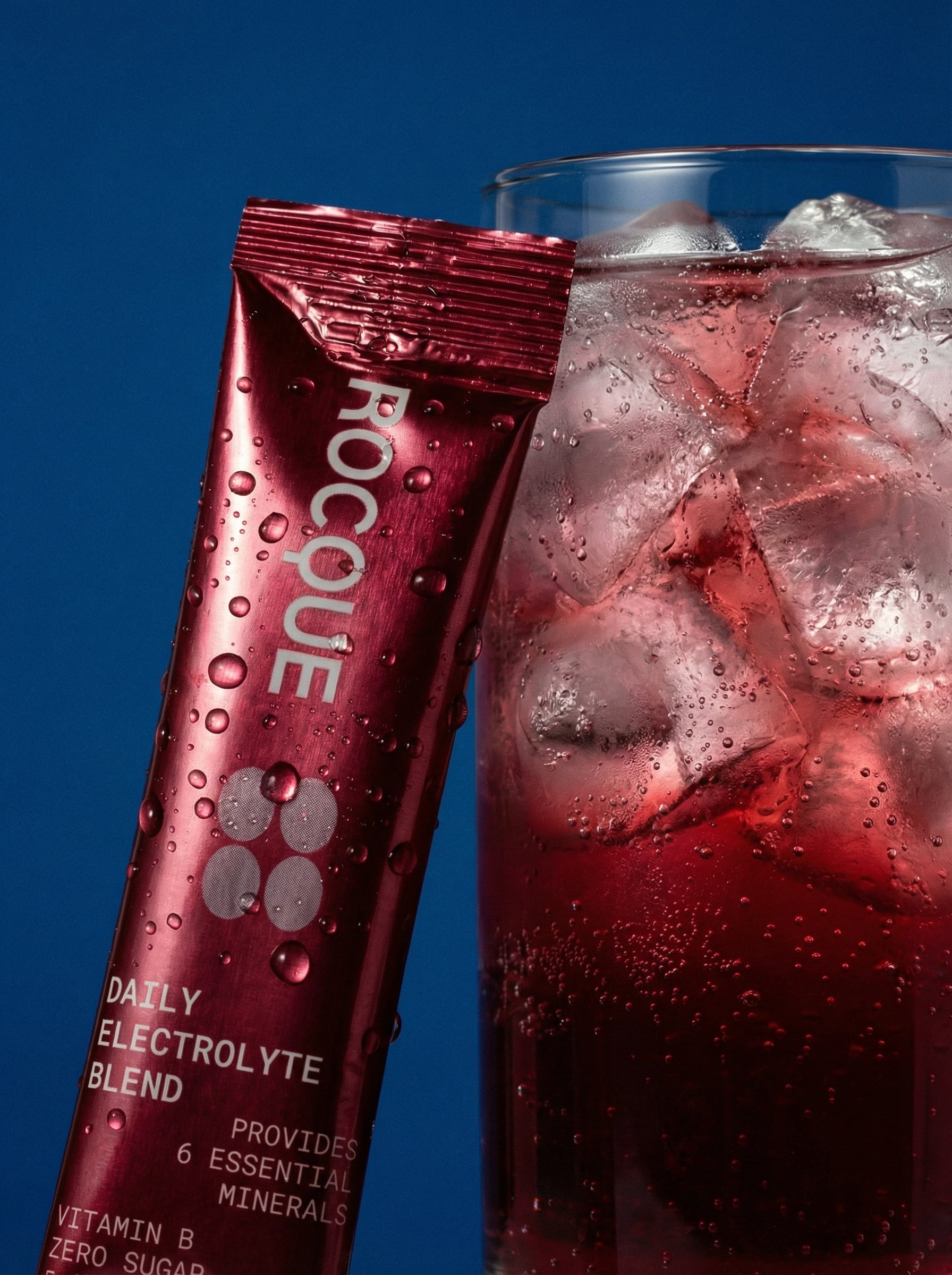
Elektrolytpulver mischen sich gut mit warmem Wasser. So entsteht ein warmes, leicht aromatisiertes Getränk, das an einem eiskalten Tag deutlich angenehmer ist als pures kaltes Wasser.
Anpassung an die Aktivität
Passe deine Flüssigkeitszufuhr deinem Aktivitätsniveau an.
An normalen Wintertagen mit üblicher Aktivität oder einem einstündigen Training: Ein Elektrolytbeutel reicht aus. So wird der Flüssigkeitshaushalt aufrechterhalten, ohne ihn unnötig zu verkomplizieren.
Bei intensiverem Training, Wintersport im Freien oder Trainingseinheiten von mehr als einer Stunde Dauer: Zwei Beutel pro Tag helfen, erhöhte Verluste auszugleichen. Nehmen Sie die Beutel über den Tag verteilt ein, anstatt beide gleichzeitig einzunehmen.
Bei längeren Outdoor-Aktivitäten in der Kälte: Planen Sie Ihre Flüssigkeitszufuhr vorausschauend. Nehmen Sie Elektrolytpulver mit. Warme Thermoskannen eignen sich gut, um Flüssigkeiten auf Trinktemperatur zu halten.
Bekämpfung von Trockenheit in Innenräumen
Bekämpfen Sie die Umweltfaktoren, die gegen Sie wirken.
Ein Luftbefeuchter in Ihrem Zuhause oder Büro erhöht die Luftfeuchtigkeit. Dadurch verringert sich der Wasserverlust über Haut und Atmung.
Halten Sie Wasser und Elektrolytgetränke gut sichtbar und leicht zugänglich. Wenn Sie aufstehen und durchs Büro laufen müssen, um Wasser zu holen, trinken Sie wahrscheinlich weniger regelmäßig.
Reduzieren Sie übermäßigen Koffein- und Alkoholkonsum, da diese die Austrocknung durch trockene Raumluft noch verstärken.
Überwachen Sie Ihren Flüssigkeitshaushalt
Fehlen starke Durstsignale, benötigt man andere Methoden, um den Flüssigkeitshaushalt einzuschätzen.
Die Urinfarbe ist weiterhin ein nützlicher Indikator. Hellgelb deutet auf ausreichende Flüssigkeitszufuhr hin. Dunkelgelb oder bernsteinfarbener Urin lässt auf Dehydrierung schließen. Beachten Sie, dass einige Nahrungsergänzungsmittel die Urinfarbe beeinflussen können.
Der Energiepegel hängt oft mit dem Flüssigkeitshaushalt zusammen. Unerklärliche Müdigkeit, insbesondere am Nachmittag, kann auf eine unzureichende Flüssigkeitszufuhr hinweisen.
Trockene Haut und Lippen können auf systemische Dehydrierung hinweisen, nicht nur auf oberflächliche Trockenheit. Wenn Feuchtigkeitscremes nicht helfen, könnte die Ursache im Inneren liegen.
Kopfschmerzen gehen oft mit Flüssigkeitsmangel einher. Bevor Sie zu Schmerzmitteln greifen, versuchen Sie, Elektrolytwasser zu trinken.
Fehler bei der Flüssigkeitszufuhr im Winter, die Sie vermeiden sollten
Selbst Menschen mit guten Absichten machen diese Fehler.
Warten, bis man durstig ist
Dies ist der häufigste Fehler – und der folgenreichste.
Der Durst setzt im Winter erst spät ein. Wenn man ihn dann spürt, ist man bereits dehydriert. Die kognitive und körperliche Leistungsfähigkeit hat bereits nachgelassen.
Trinken Sie den ganzen Tag über aktiv, unabhängig davon, ob Sie Durst verspüren oder nicht.
Sich ausschließlich auf heißen Kaffee verlassen
Kaffee spendet zwar etwas Flüssigkeit, ist aber keine vollständige Lösung.
Übermäßiger Kaffeekonsum kann harntreibend wirken und so zu einem höheren Flüssigkeitsverlust führen als er dem Körper zuführt. Außerdem ersetzt er nicht die Elektrolyte, die man auf anderem Wege verliert.
Genießen Sie Ihren Kaffee, aber betrachten Sie ihn nicht als Ihre primäre Flüssigkeitsquelle.
Elektrolyte ignorieren
Das Trinken von reinem Wasser ohne Elektrolyte schränkt die Effektivität der Flüssigkeitszufuhr ein.
Wie die Forschung immer wieder zeigt, helfen Natrium und andere Elektrolyte dem Körper, Wasser aufzunehmen und zu speichern. Dies ist besonders wichtig, wenn die Flüssigkeitszufuhr insgesamt eher gering ist.
Ein Beutel Elektrolyte pro Tag verwandelt Ihre Flüssigkeitszufuhr von ausreichend auf optimal.
Zu leger gekleidet sein und dann überkompensieren
Manche Menschen kleiden sich bei kaltem Wetter zu leicht und gleichen dies dann durch übermäßige körperliche Betätigung oder heiße Duschen aus.
Beide Strategien erhöhen den Flüssigkeits- und Elektrolytverlust. Beim intensiven Sport schwitzt man mehr, um sich warm zu halten. Heiße Duschen trocknen die Haut aus und erhöhen die Verdunstungsverluste.
Kleiden Sie sich den Bedingungen entsprechend und achten Sie auf eine regelmäßige Flüssigkeitszufuhr.
Annahme, dass mehr Zeit in Innenräumen einen geringeren Bedarf bedeutet
Innenräume können genauso austrocknend wirken wie Außenbereiche – manchmal sogar noch mehr.
Heiße, trockene Luft entzieht dem Körper ständig Feuchtigkeit. Die Stunden, die man unter diesen Bedingungen verbringt, summieren sich.
Lass dich durch die Zeit in geschlossenen Räumen nicht dazu verleiten, das Trinken zu vernachlässigen.
Aufbau deiner winterlichen Trinkroutine
So lässt sich alles in eine praktische Tagesroutine integrieren.
Nach dem Aufwachen: Trinken Sie 500 ml Wasser mit einem Elektrolytbeutel. Dies gleicht die nächtliche Dehydrierung aus und bereitet Sie auf den Tag vor.
Vormittags: Trinken Sie weiterhin in kleinen Schlucken Wasser oder Kräutertee. Stellen Sie eine Flasche oder Tasse an Ihren Arbeitsplatz.
Vor dem Mittagessen: Überprüfen Sie Ihren Flüssigkeitshaushalt. Trinken Sie regelmäßig? Passen Sie Ihre Flüssigkeitszufuhr gegebenenfalls an.
Nachmittags: Zu dieser Zeit lässt die Energie oft nach. Ein Elektrolytgetränk kann helfen – und erinnert Sie daran, dass Müdigkeit auch auf Flüssigkeitsmangel zurückzuführen sein kann und nicht nur auf ein Nachmittagstief.
Vor/nach dem Training: Achten Sie bei einem Training auf ausreichende Flüssigkeitszufuhr. Bei intensiven oder langen Trainingseinheiten empfiehlt sich die Verwendung eines zweiten Elektrolyt-Beutels.
Abends: Trinken Sie weiterhin ausreichend, reduzieren Sie die Flüssigkeitszufuhr jedoch gegen Abend, um den Schlaf nicht zu stören.
Tägliches Ziel: Als Richtwert sollten Sie etwa 35 ml Flüssigkeit pro Kilogramm Körpergewicht anstreben. Passen Sie die Flüssigkeitsmenge bei körperlicher Anstrengung und sehr trockenen Bedingungen an.
Das Wichtigste zur Flüssigkeitszufuhr im Winter
Der Winter erschwert die Flüssigkeitszufuhr, macht sie aber nicht weniger wichtig.
Vermindertes Durstgefühl, trockene Raumluft, Flüssigkeitsverlust durch die Atmung und die Wahl der Getränke wirken sich alle negativ aus. Ohne bewusste Maßnahmen schleicht sich die Dehydrierung unbemerkt ein.
Die Folgen betreffen alles – Energie, Stimmung, Immunsystem, Leistungsfähigkeit und sogar die Hautgesundheit. Was sich wie „normale Wintermüdigkeit“ anfühlt, könnte einfach nur chronische, leichte Dehydrierung sein.
Die Lösung ist einfach: Trinken Sie über den Tag verteilt regelmäßig, egal ob Sie Durst verspüren oder nicht. Ergänzen Sie Ihr Wasser mit Elektrolyten, damit es Ihre Gewebe optimal mit Feuchtigkeit versorgt. Passen Sie die Trinkmenge Ihrem Aktivitätsniveau an.
Ein Beutel pro Tag deckt den täglichen Bedarf. Zwei Beutel unterstützen an anspruchsvolleren Tagen. Einfache, konsequent angewandte Gewohnheiten machen den Unterschied.
Lassen Sie sich im Winter nicht von der Dehydrierung überraschen. Beugen Sie vor, und Sie werden den Unterschied bei allem, was Sie tun, spüren.
Referenzen
Cohen, S., et al. (2009). Schlafgewohnheiten und Anfälligkeit für Erkältungen. Archives of Internal Medicine , 169(1), 62-67.
Logan-Sprenger, H. M. & Spriet, L. L. (2013). Die akuten Auswirkungen der Flüssigkeitszufuhr auf das spezifische Gewicht des Urins und die Flüssigkeitsretention bei leichter Dehydratation. Journal of Strength and Conditioning Research , 27(4), 1002–1008.
Noah, L., et al. (2021). Einfluss einer Magnesium- und Vitamin-B6-Supplementierung auf die psychische Gesundheit und Lebensqualität gesunder, gestresster Erwachsener. Stress and Health , 37(5), 1000-1009.
Savoie, FA, et al. (2015). Einfluss von Dehydratation auf Muskelausdauer, Kraft, anaerobe Leistungsfähigkeit und Kapazität. Sports Medicine , verschiedene Studien zusammengefasst.